Omschrijving
Plantage Muidergracht 3
Amsterdam
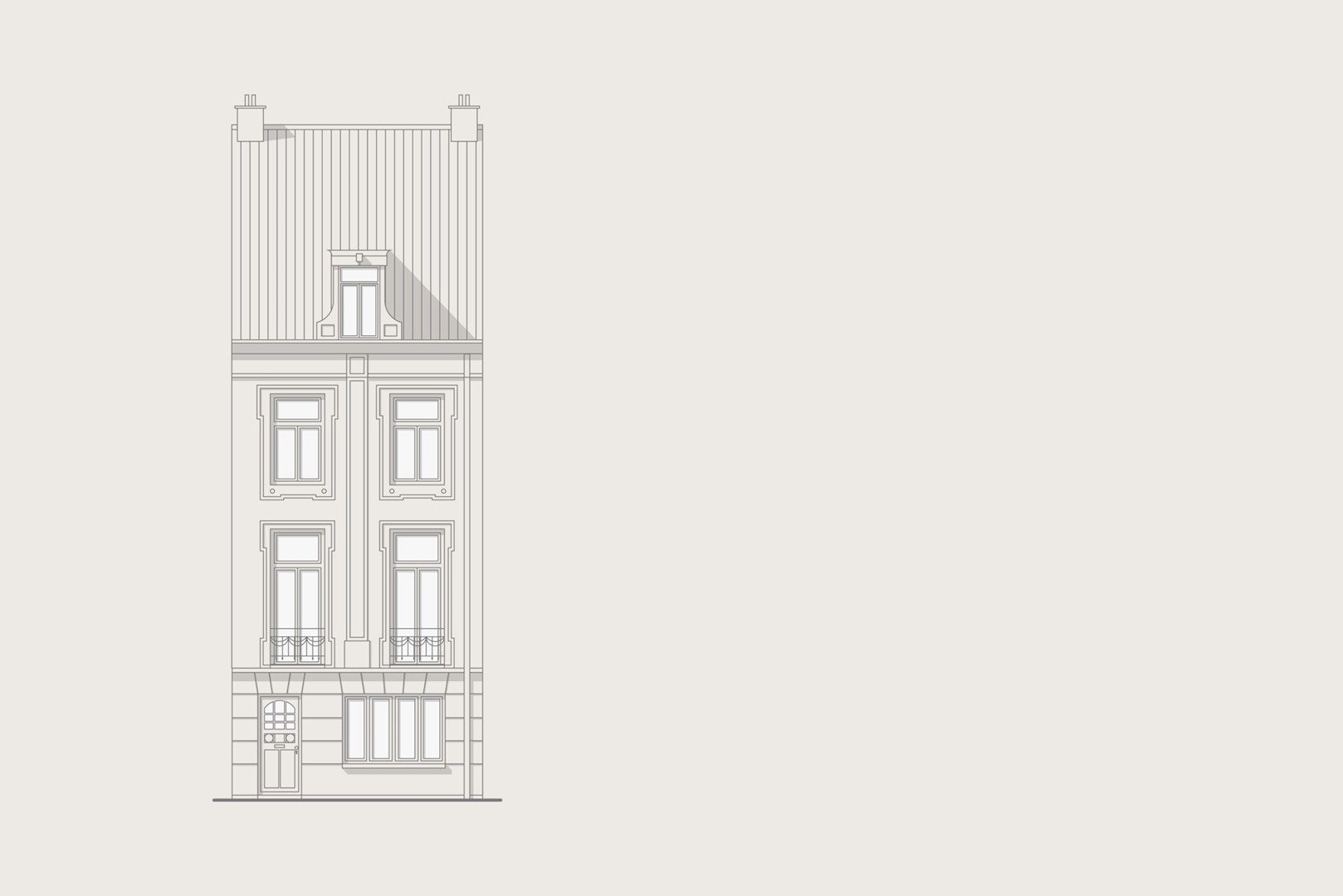
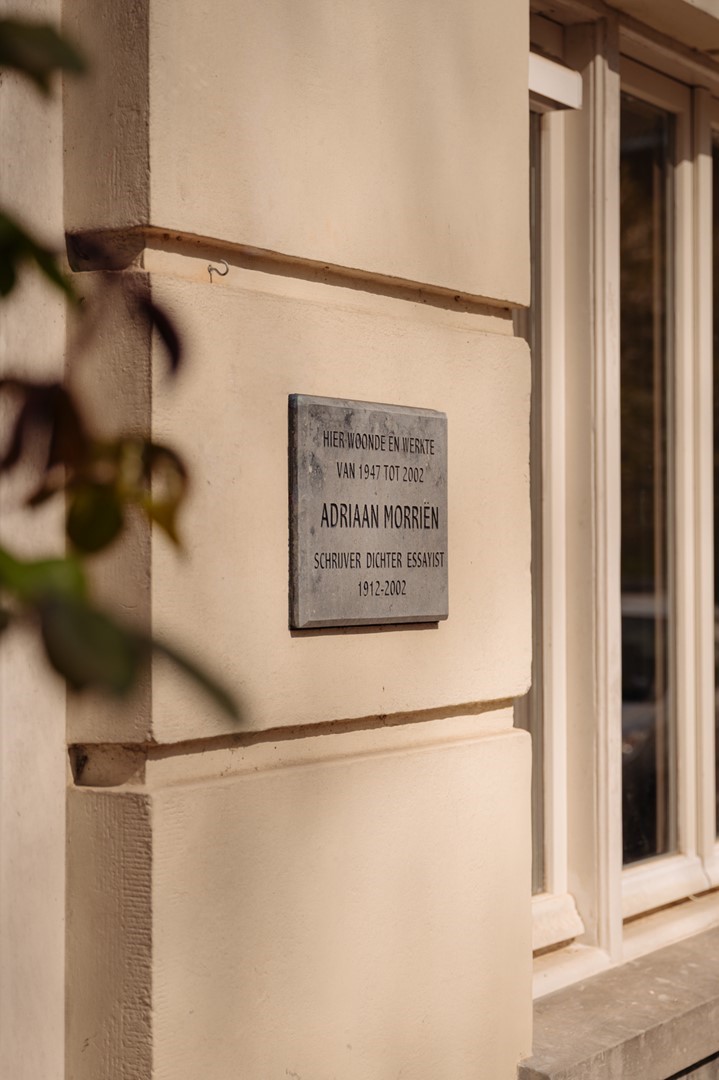
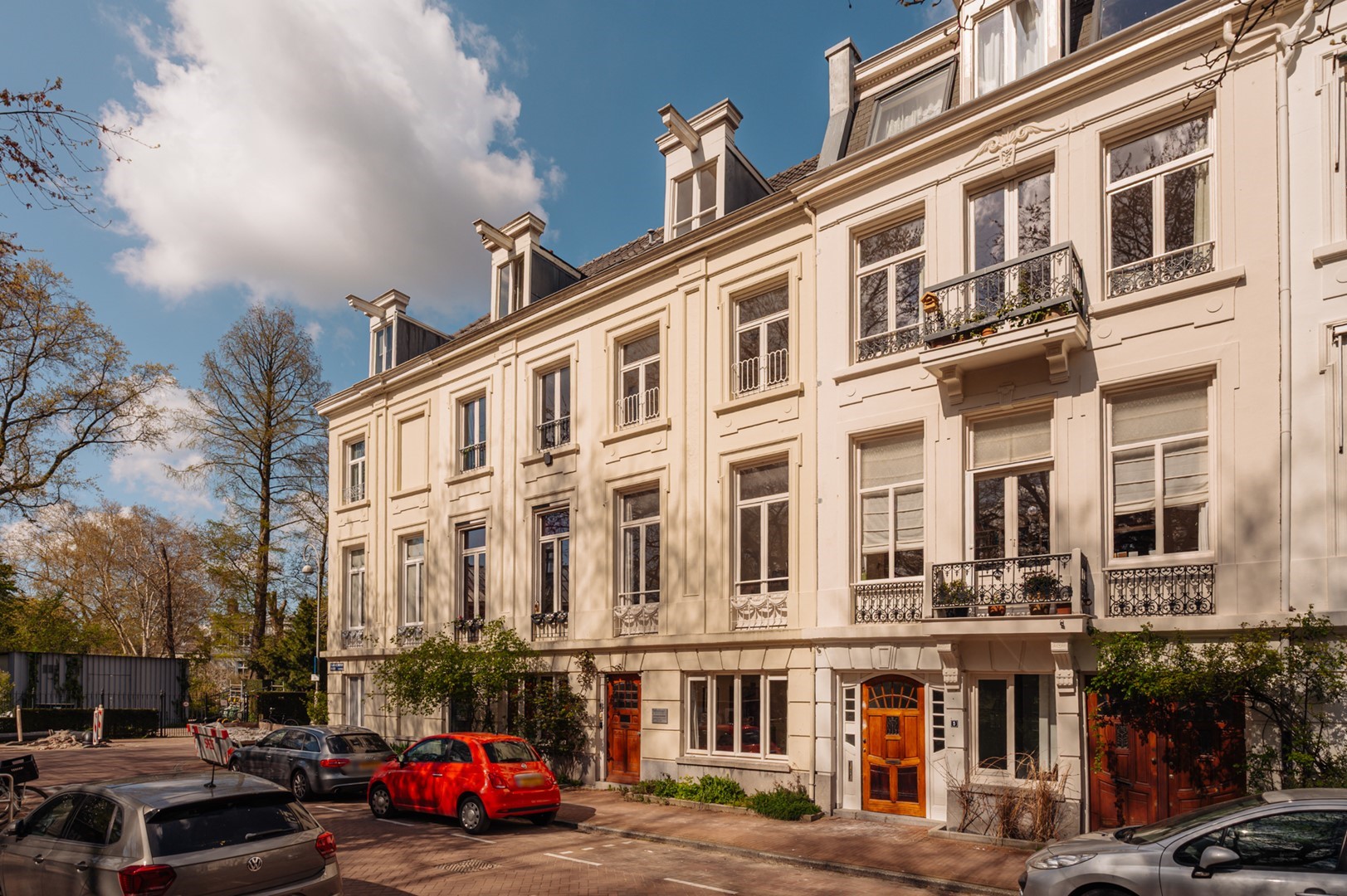
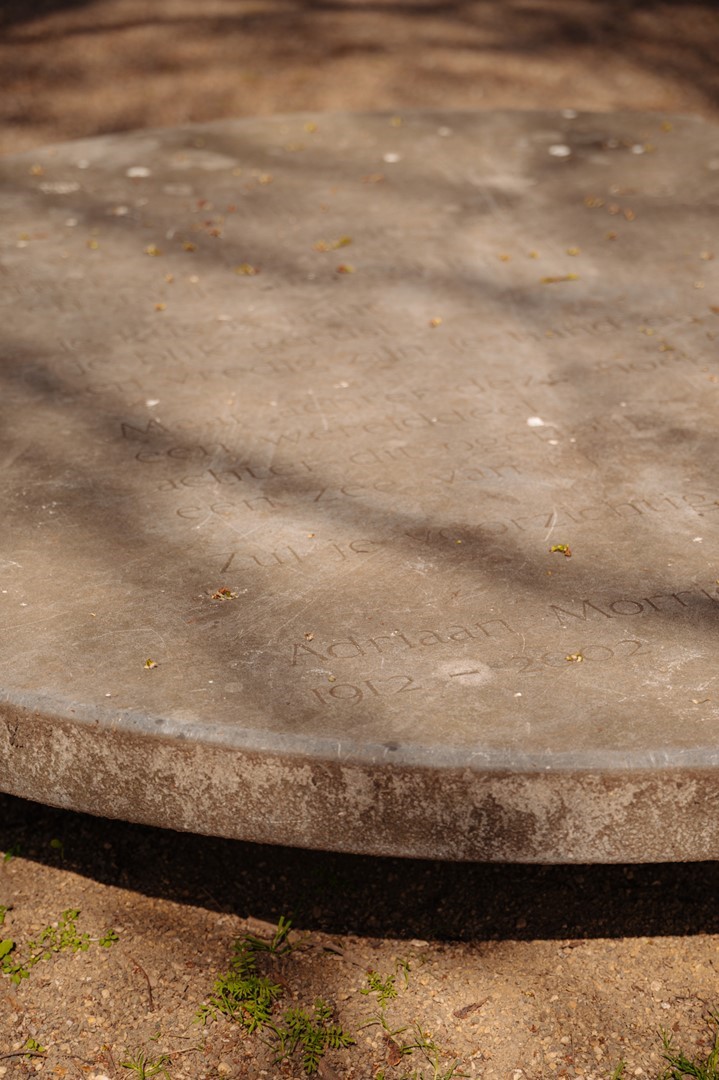
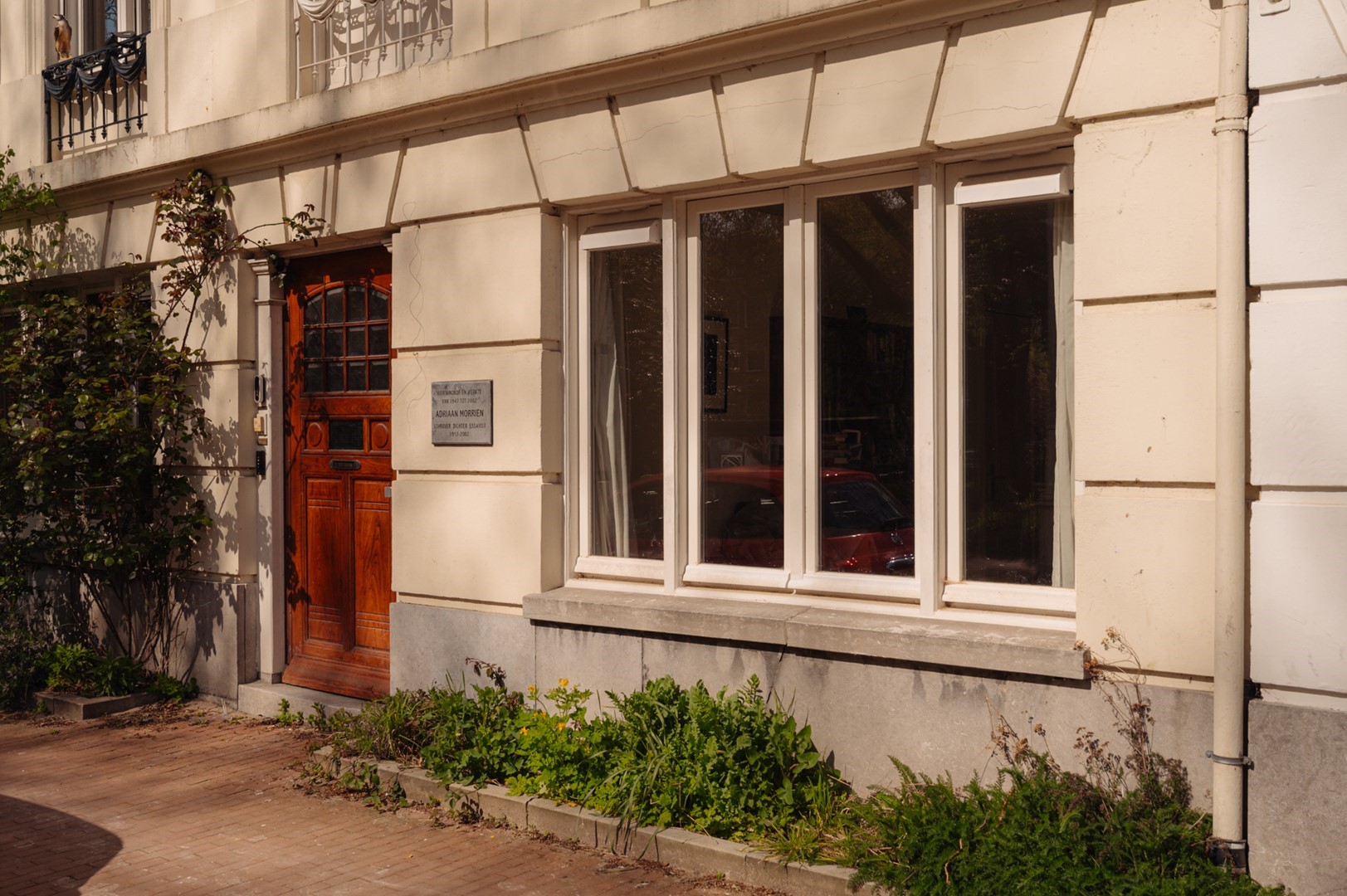
MORRIËN | Woonhuis van circa 157 m², gelegen in de Plantagebuurt. Het woonhuis was van oorsprong drie afzonderlijke woningen, later samengevoegd tot twee en nu één volledig woonhuis. Het pand is een gemeentelijk monument en draagt op de gevel een plaquette voor Adriaan Morriën, de dichter en essayist die hier decennialang woonde en werkte.
De volledige woonbeleving is te ervaren op onze website of door ons magazine te downloaden. Via onze website kun je ook eenvoudig zelf je bezichtiging inplannen. *See English translation below *
Rondleiding
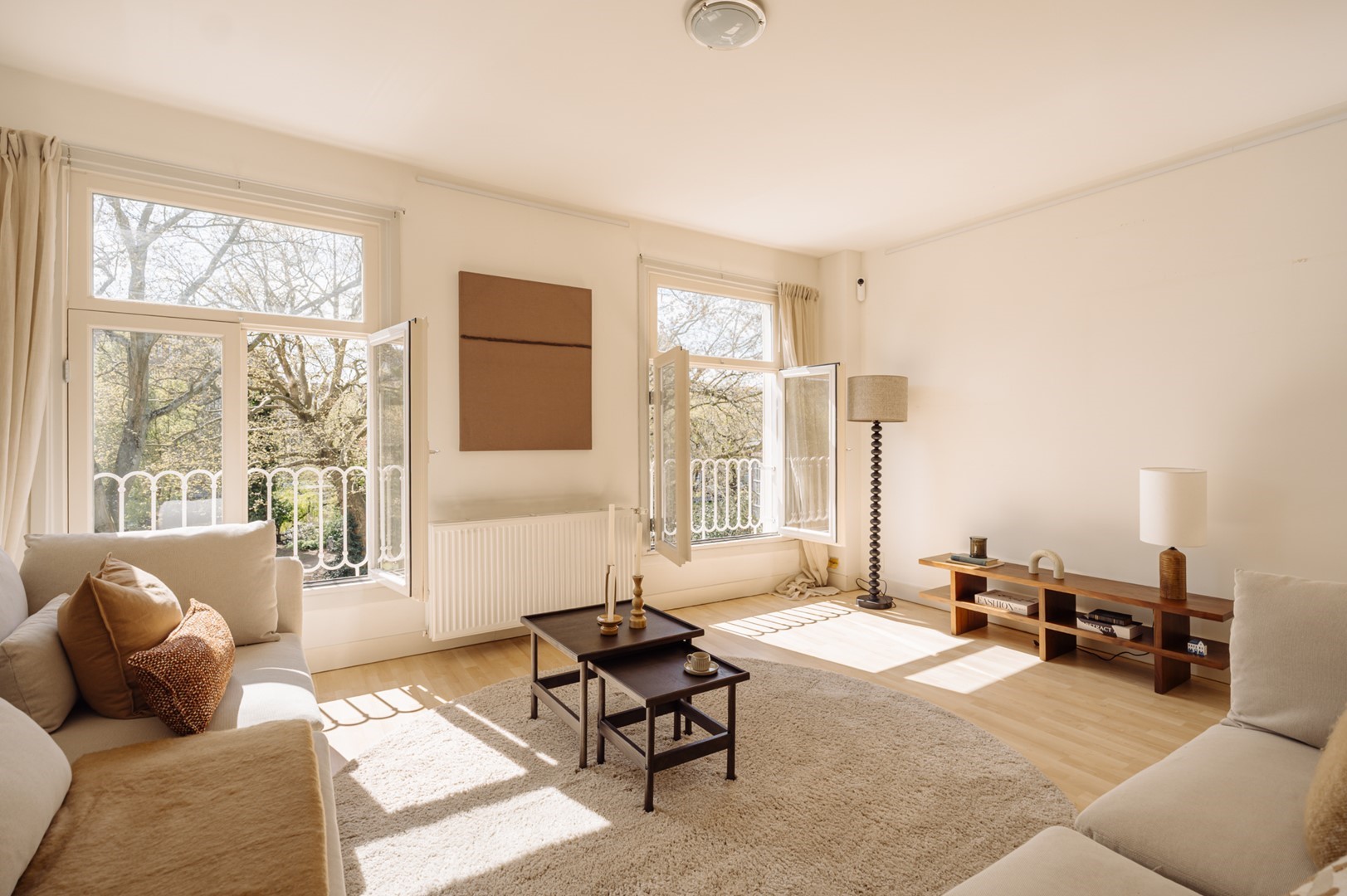
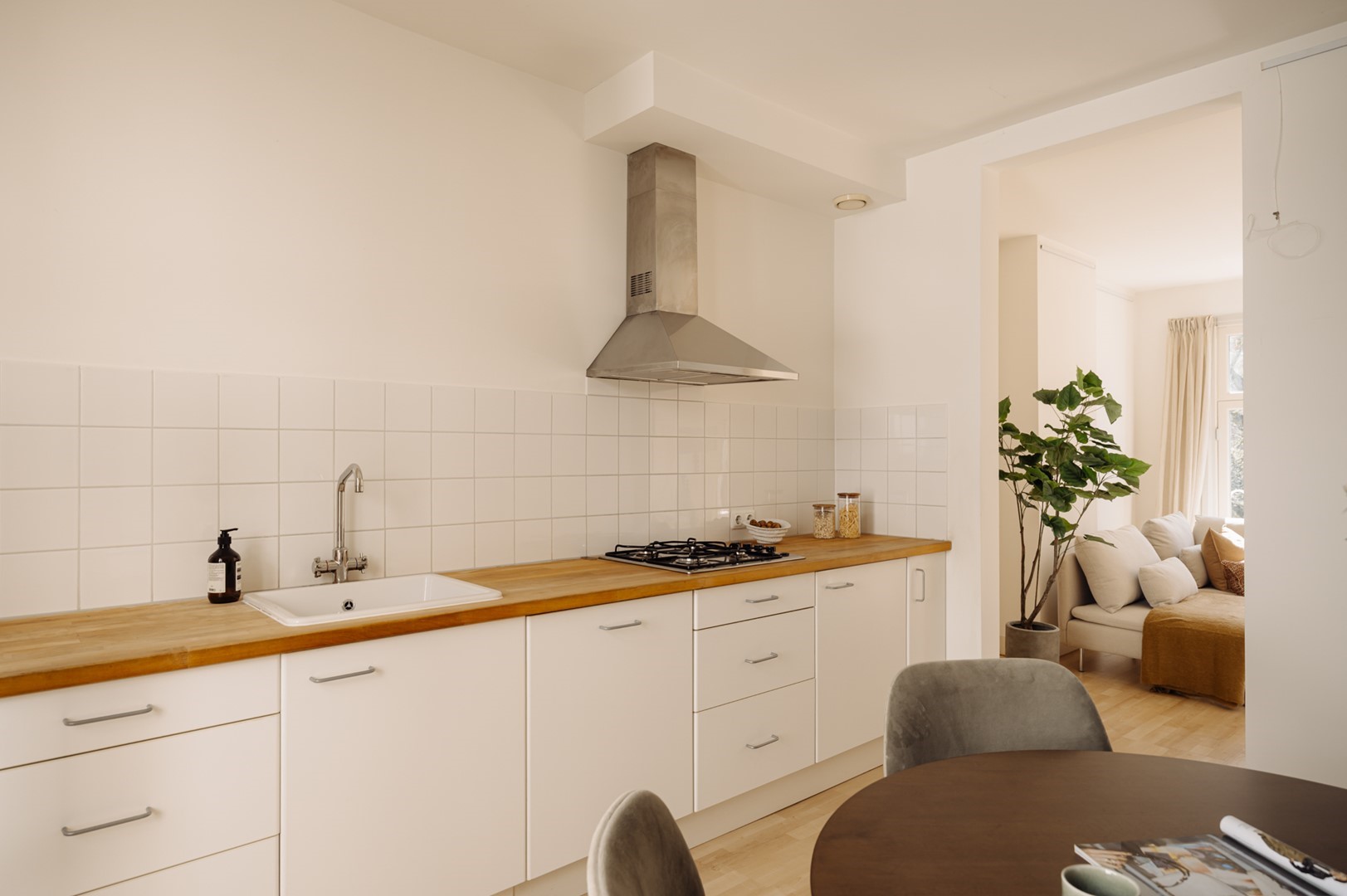
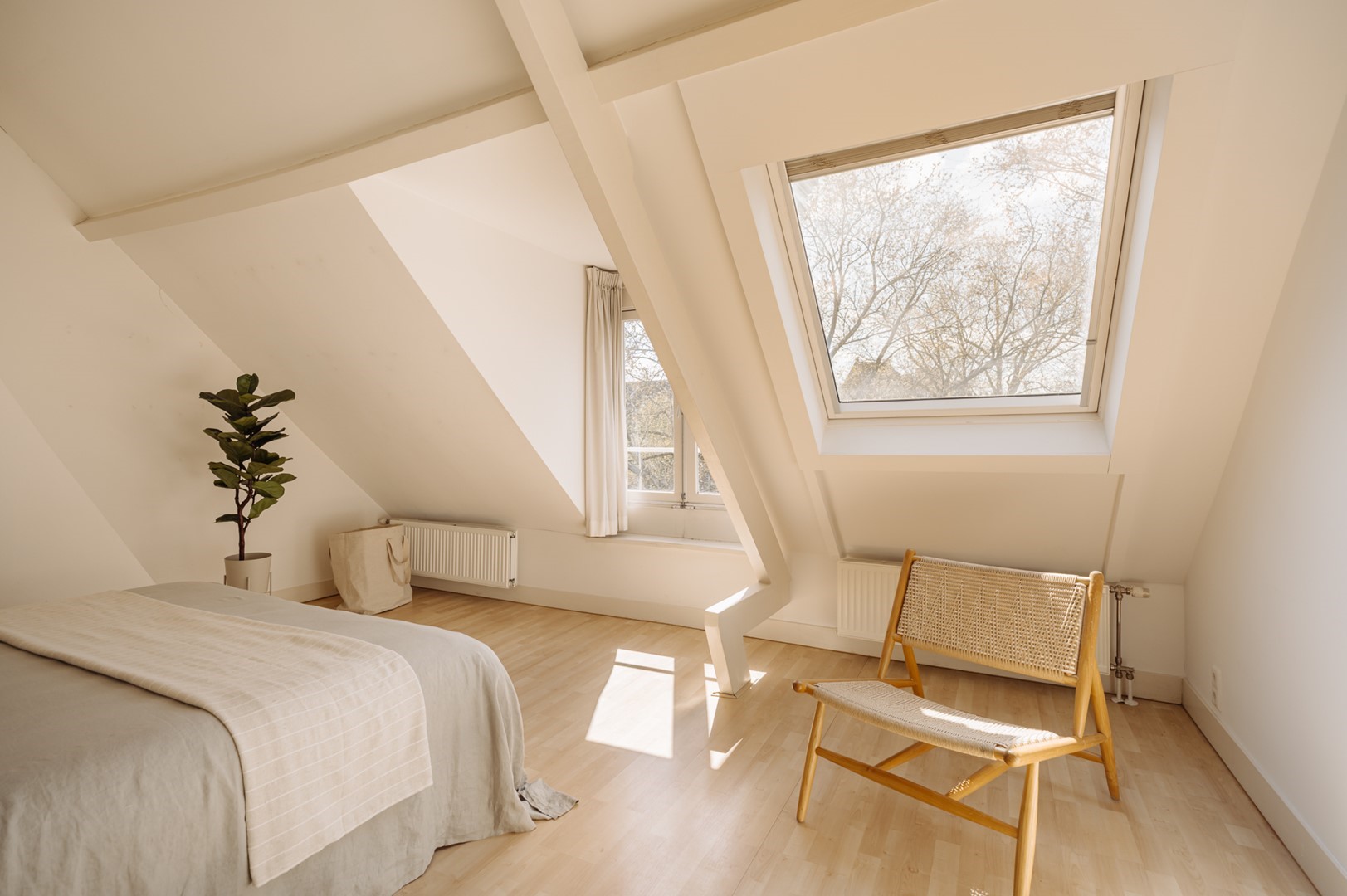
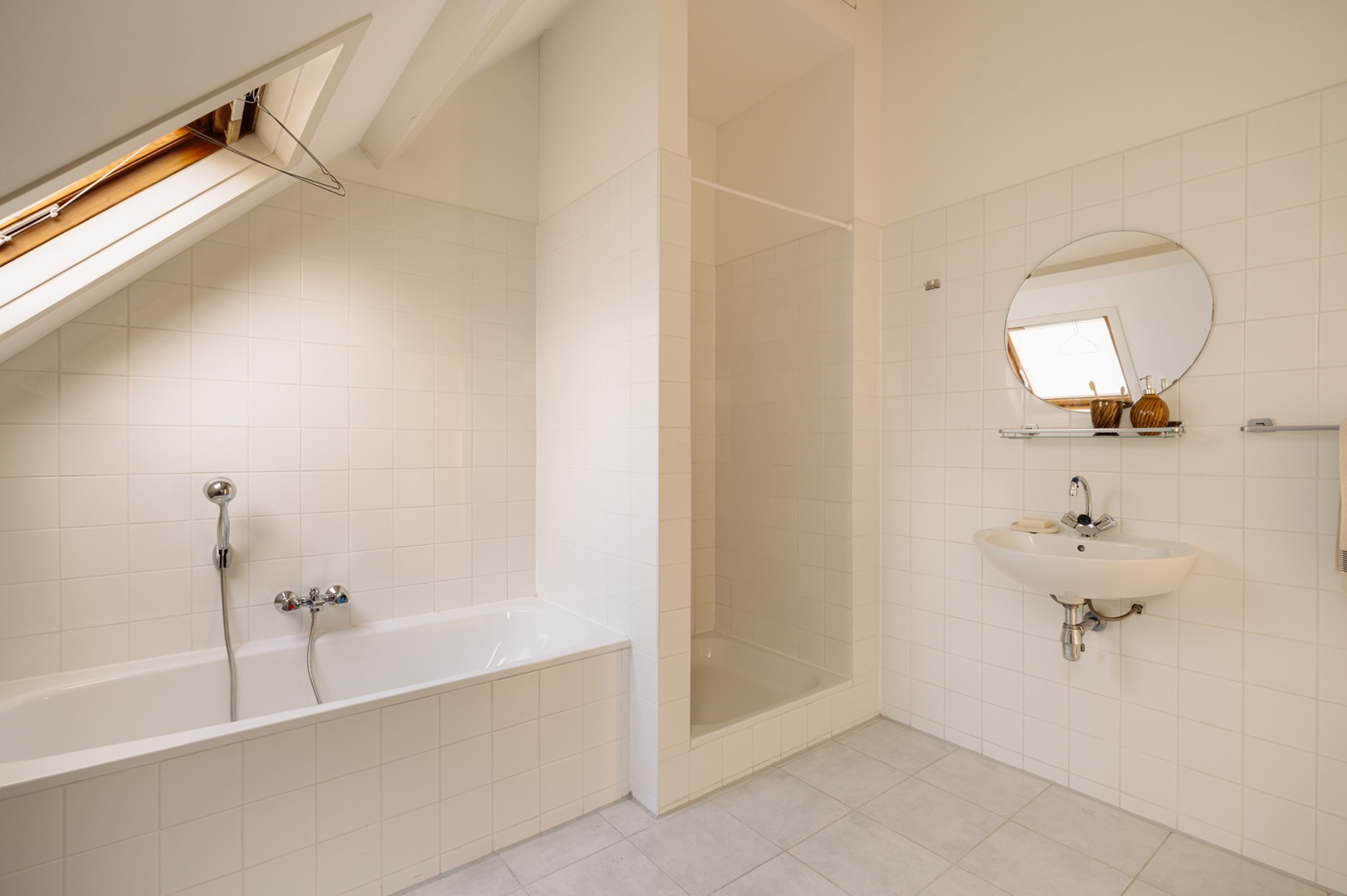
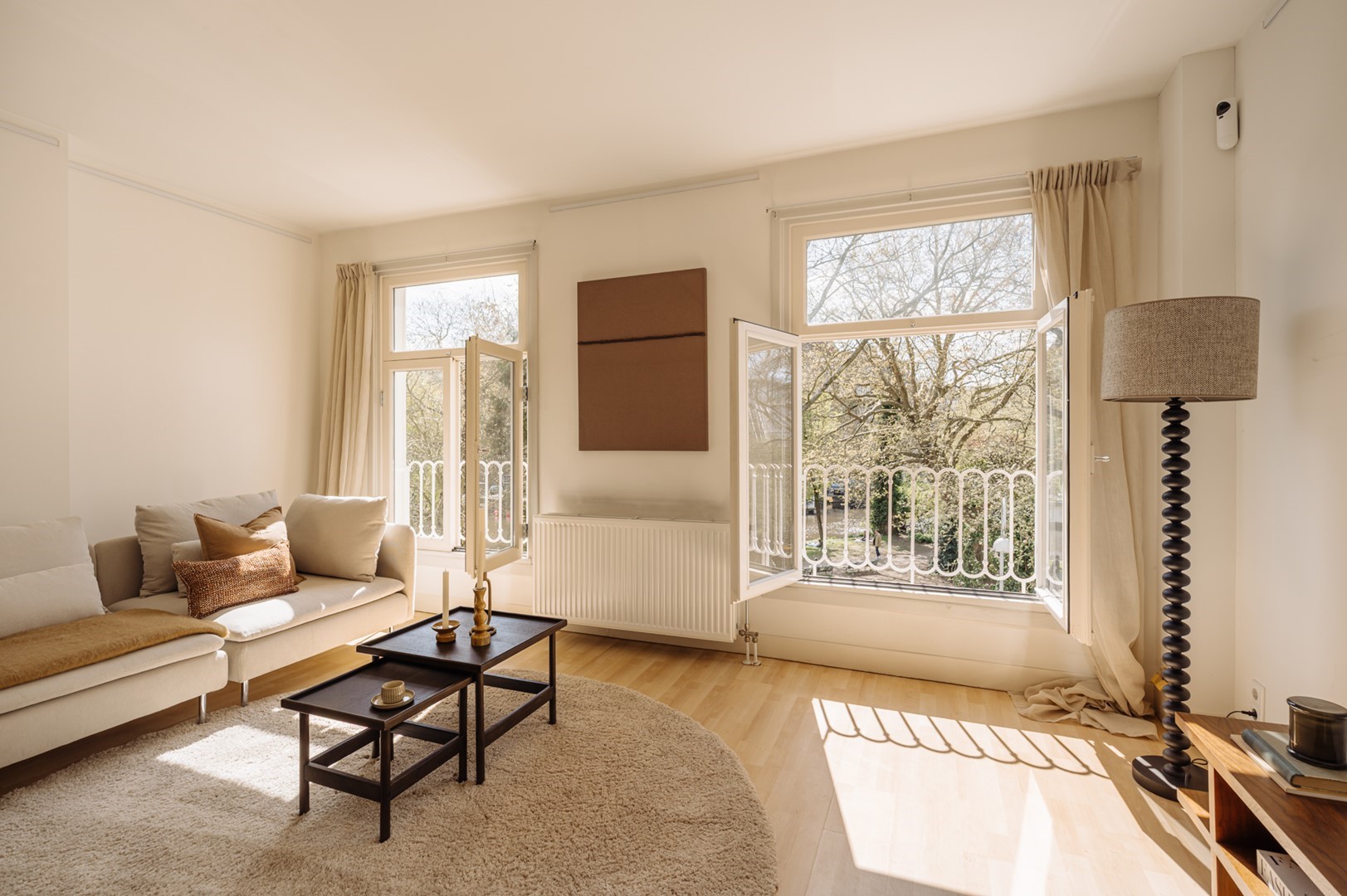
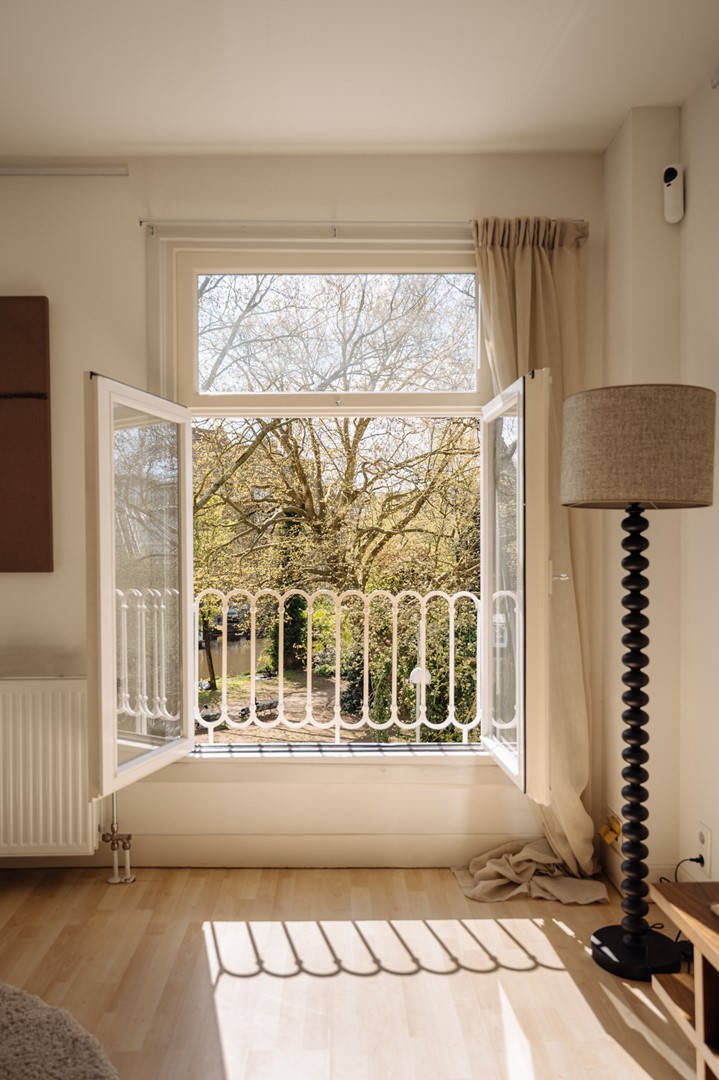
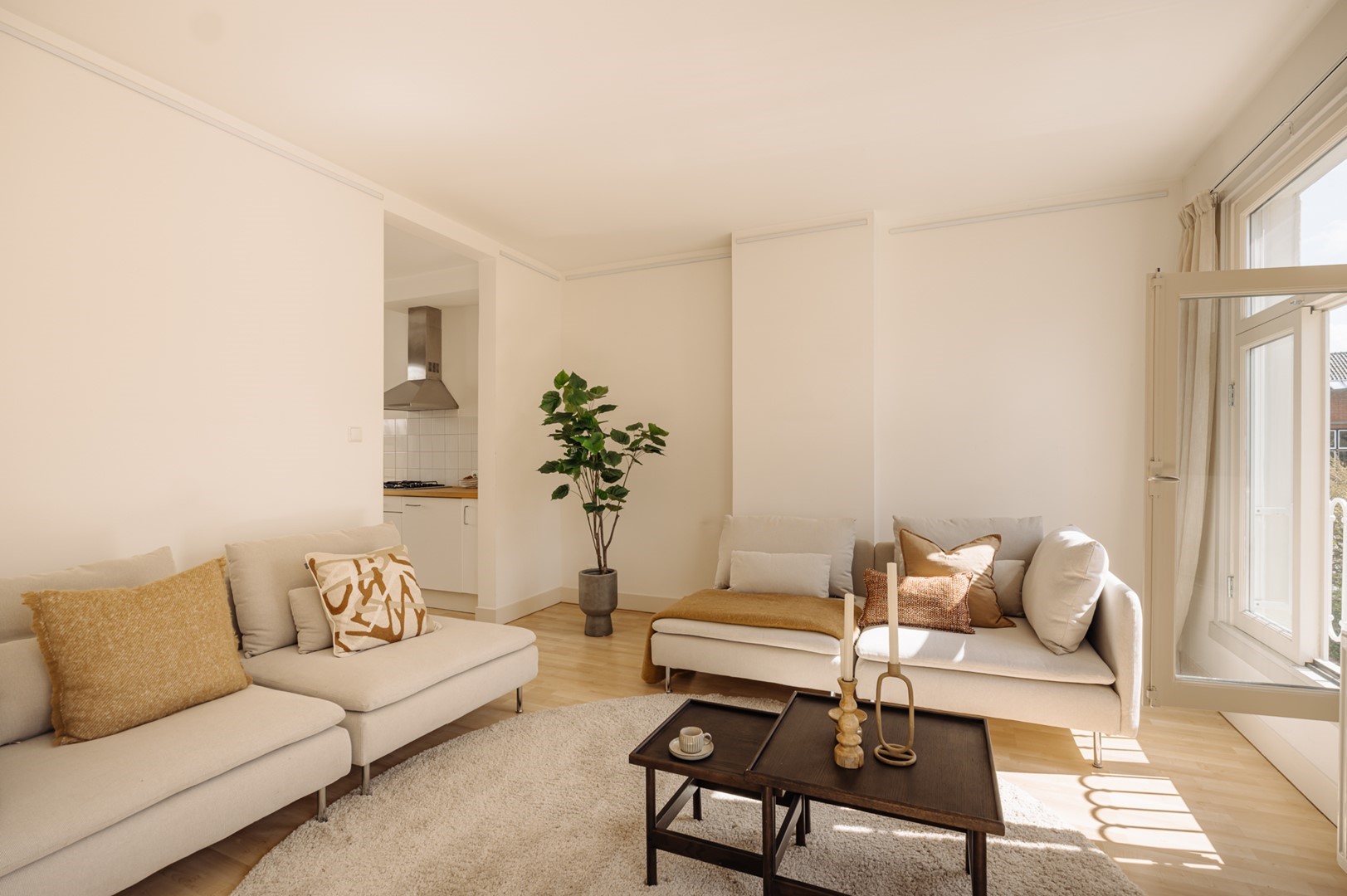
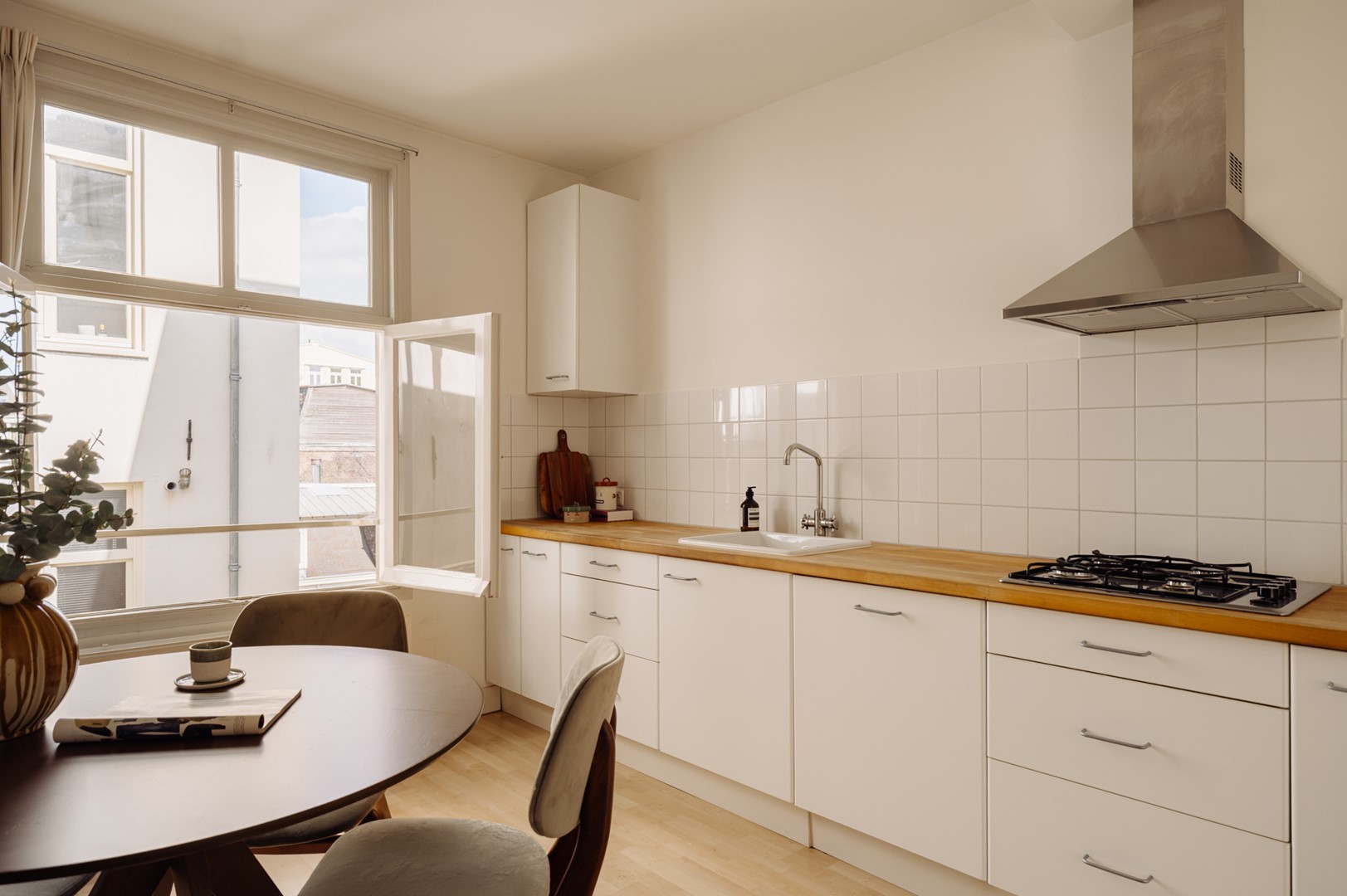
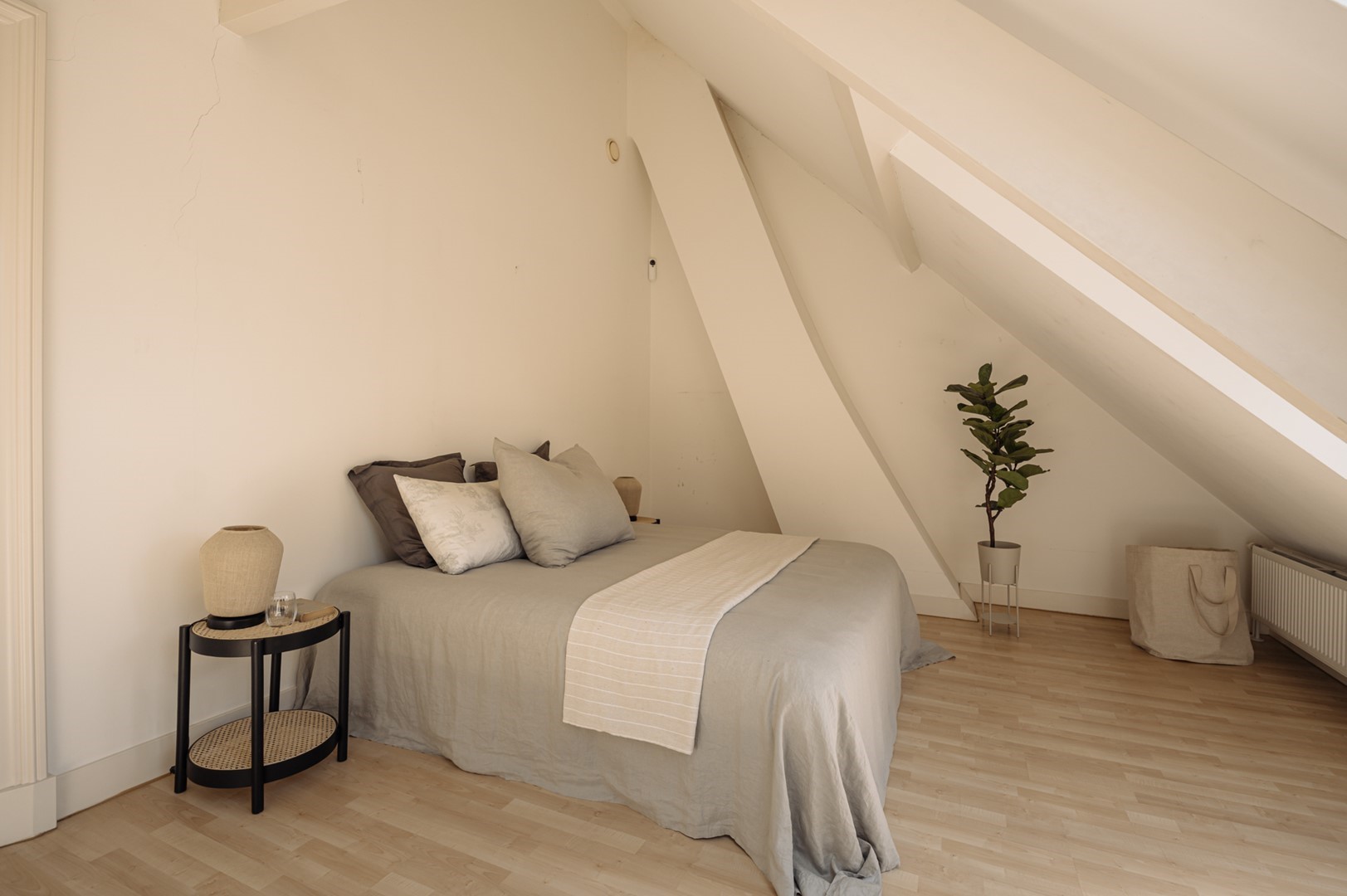
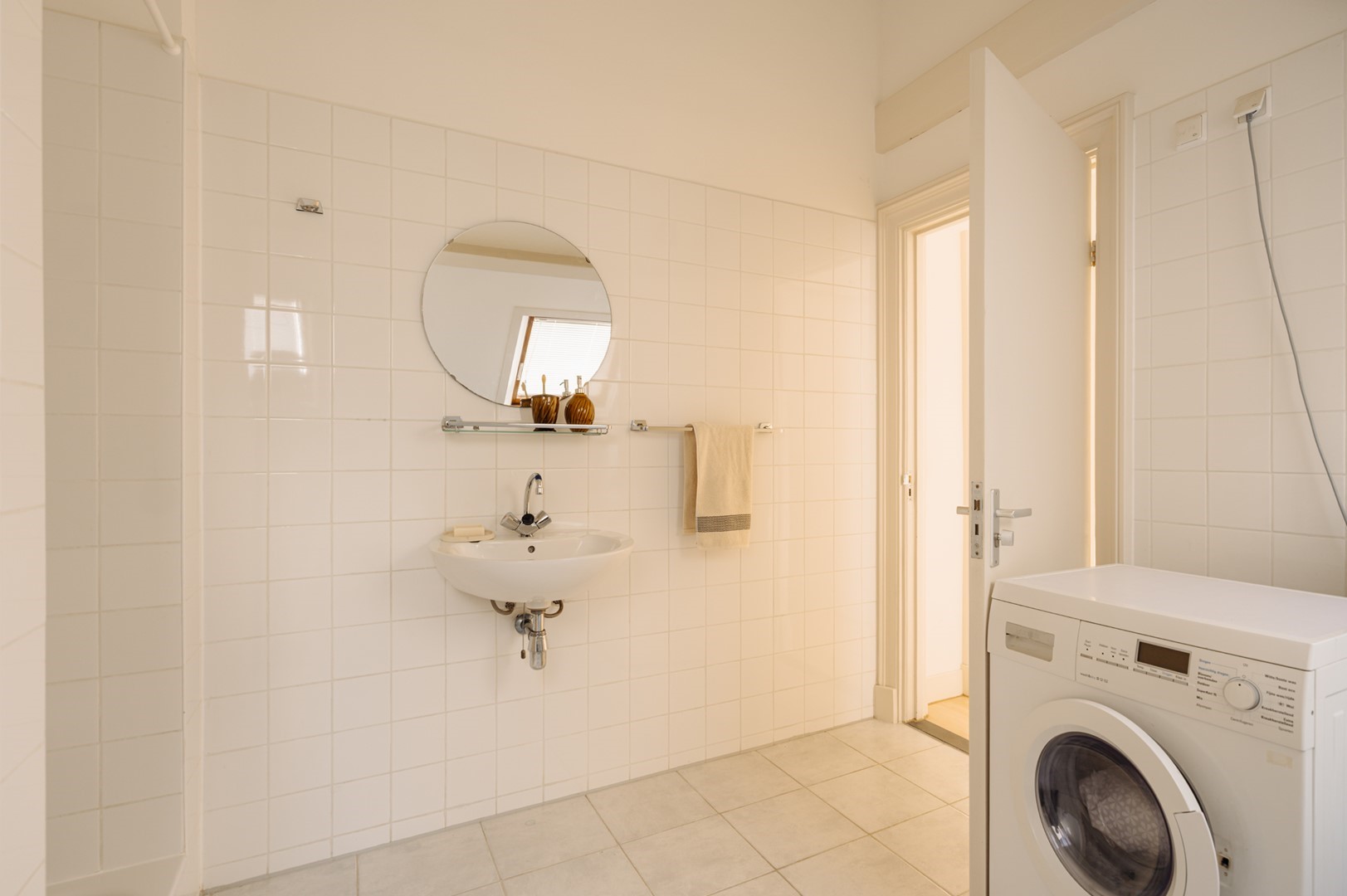
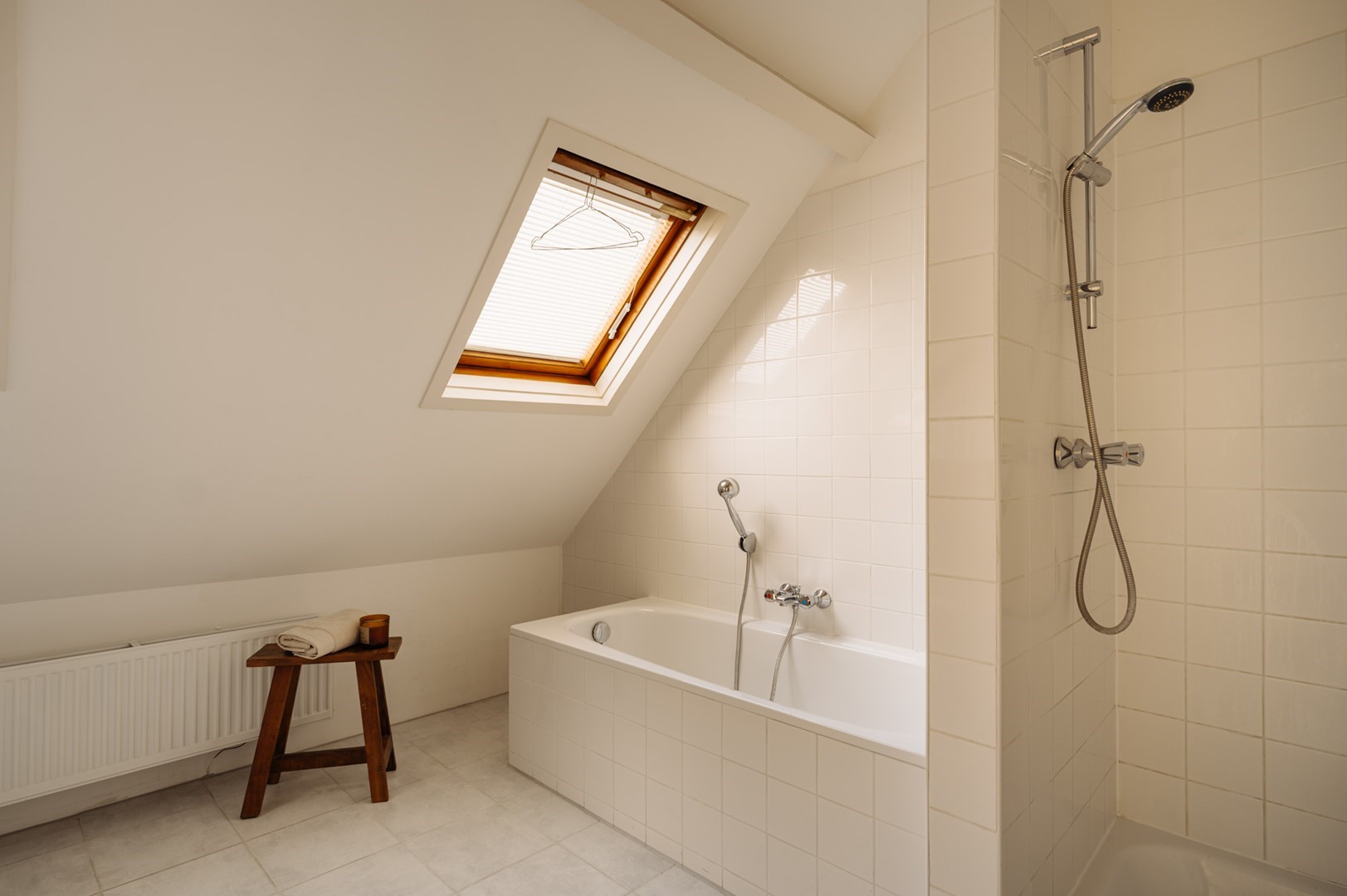
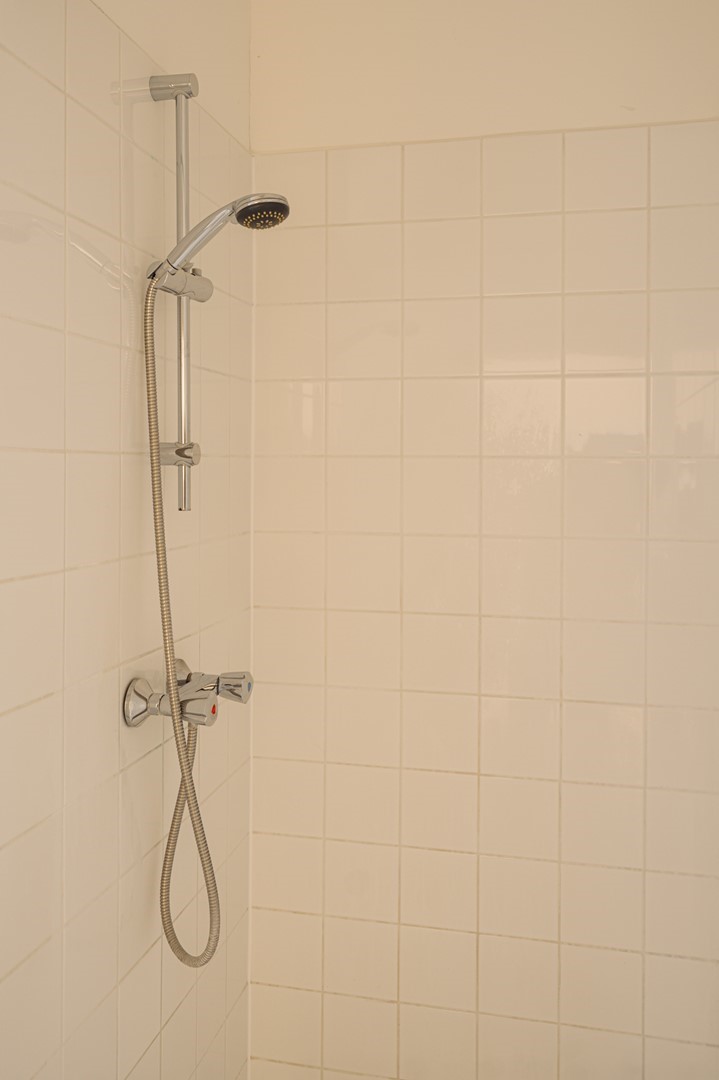
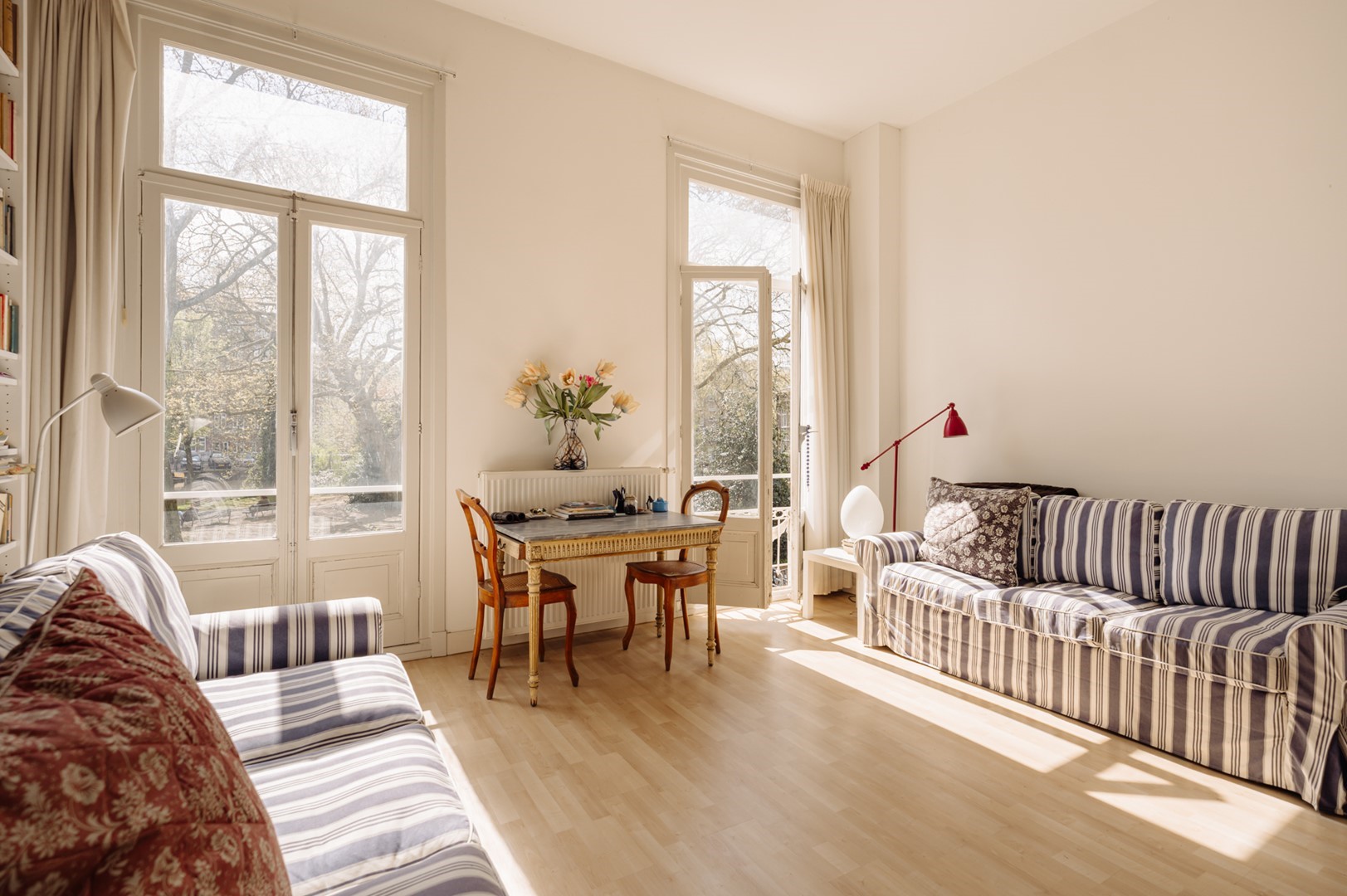
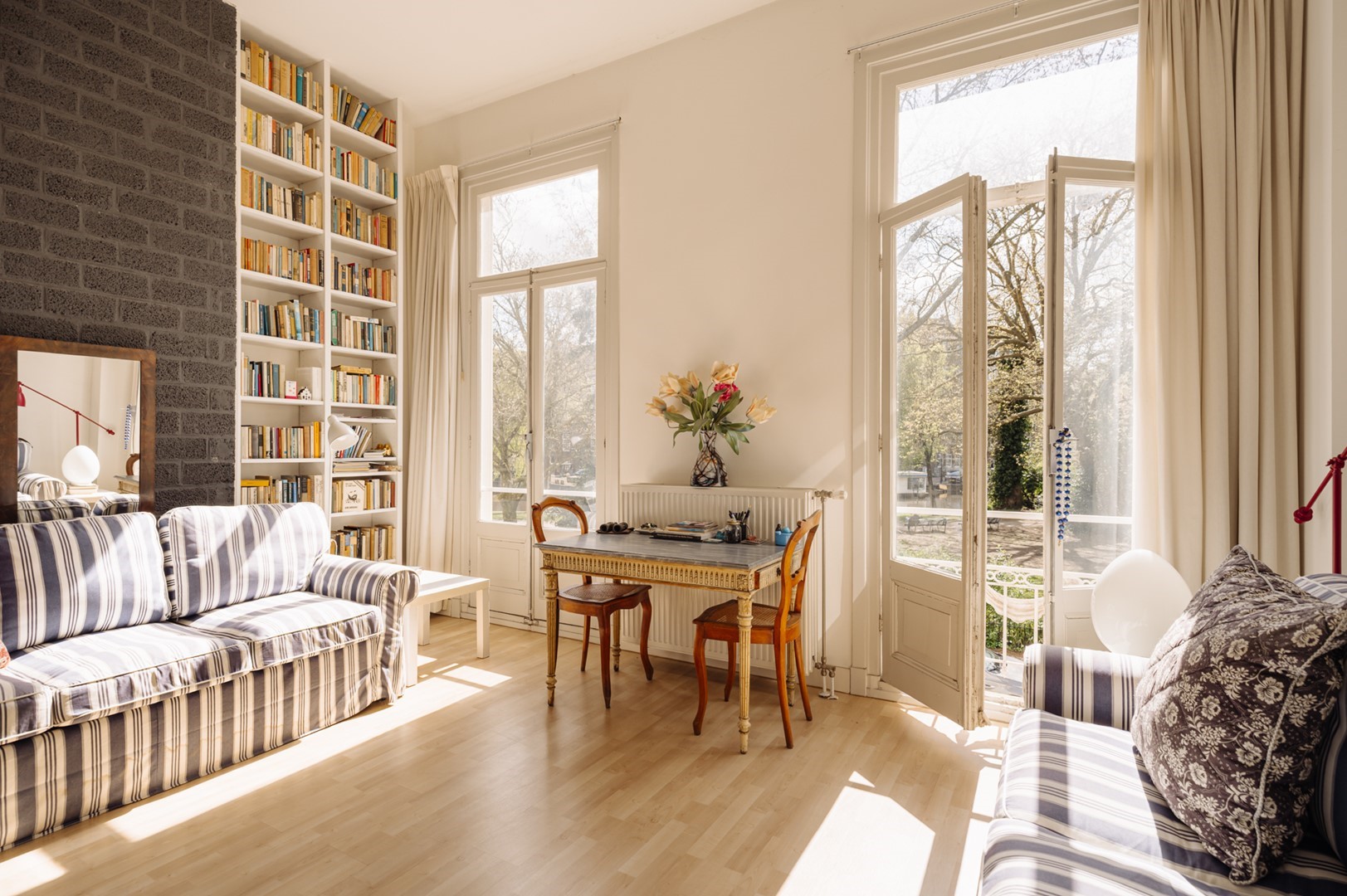
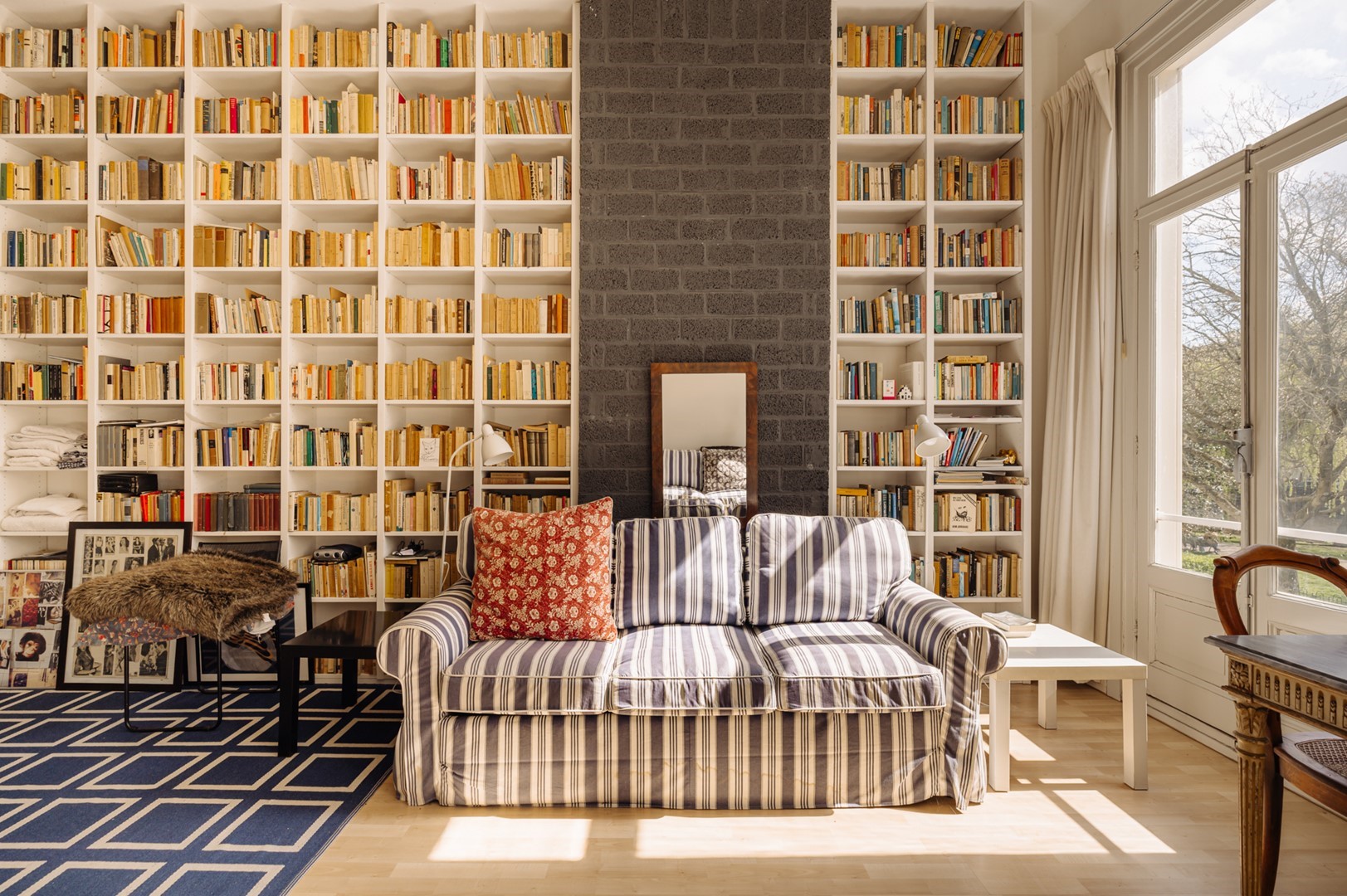
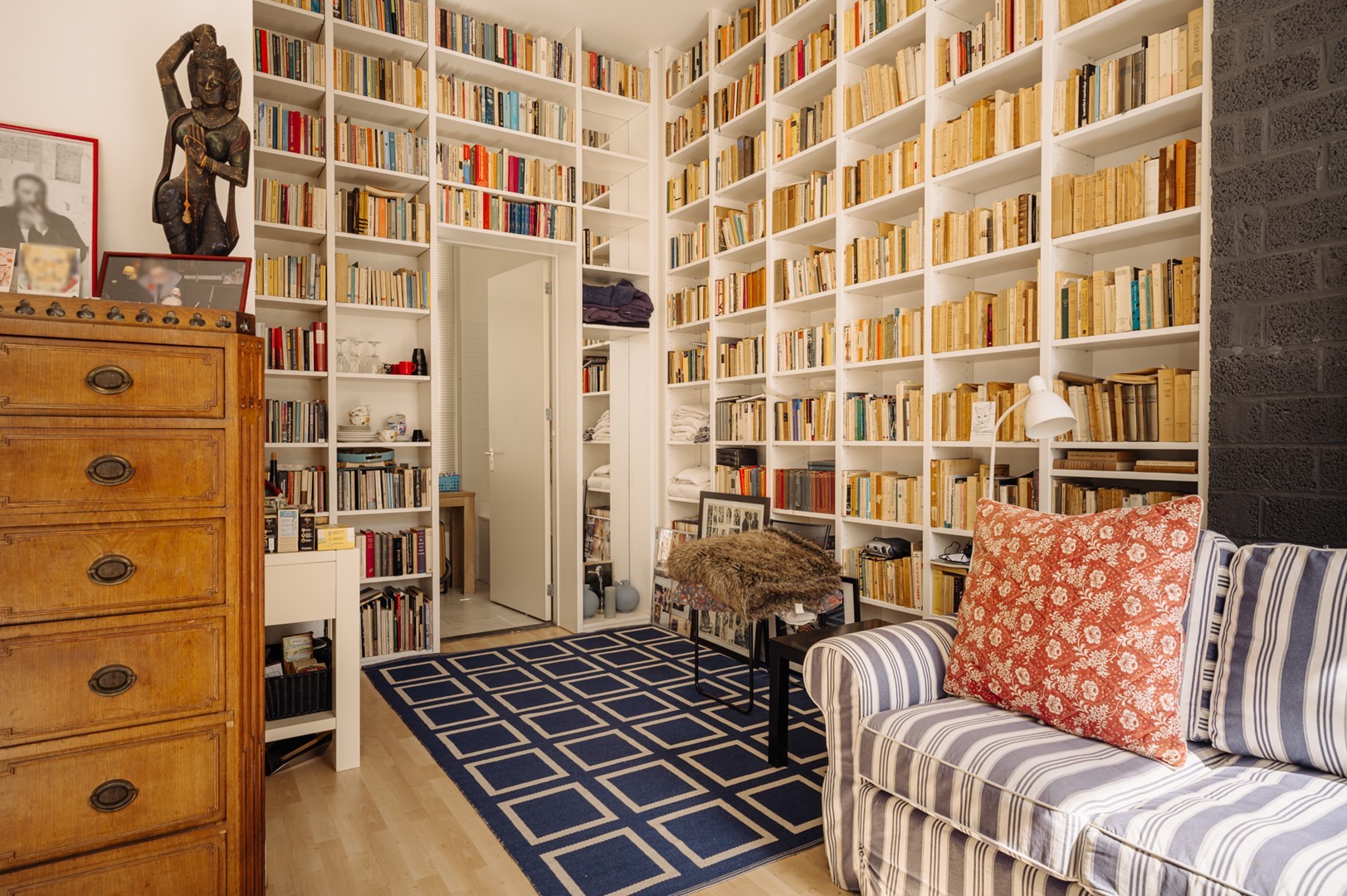
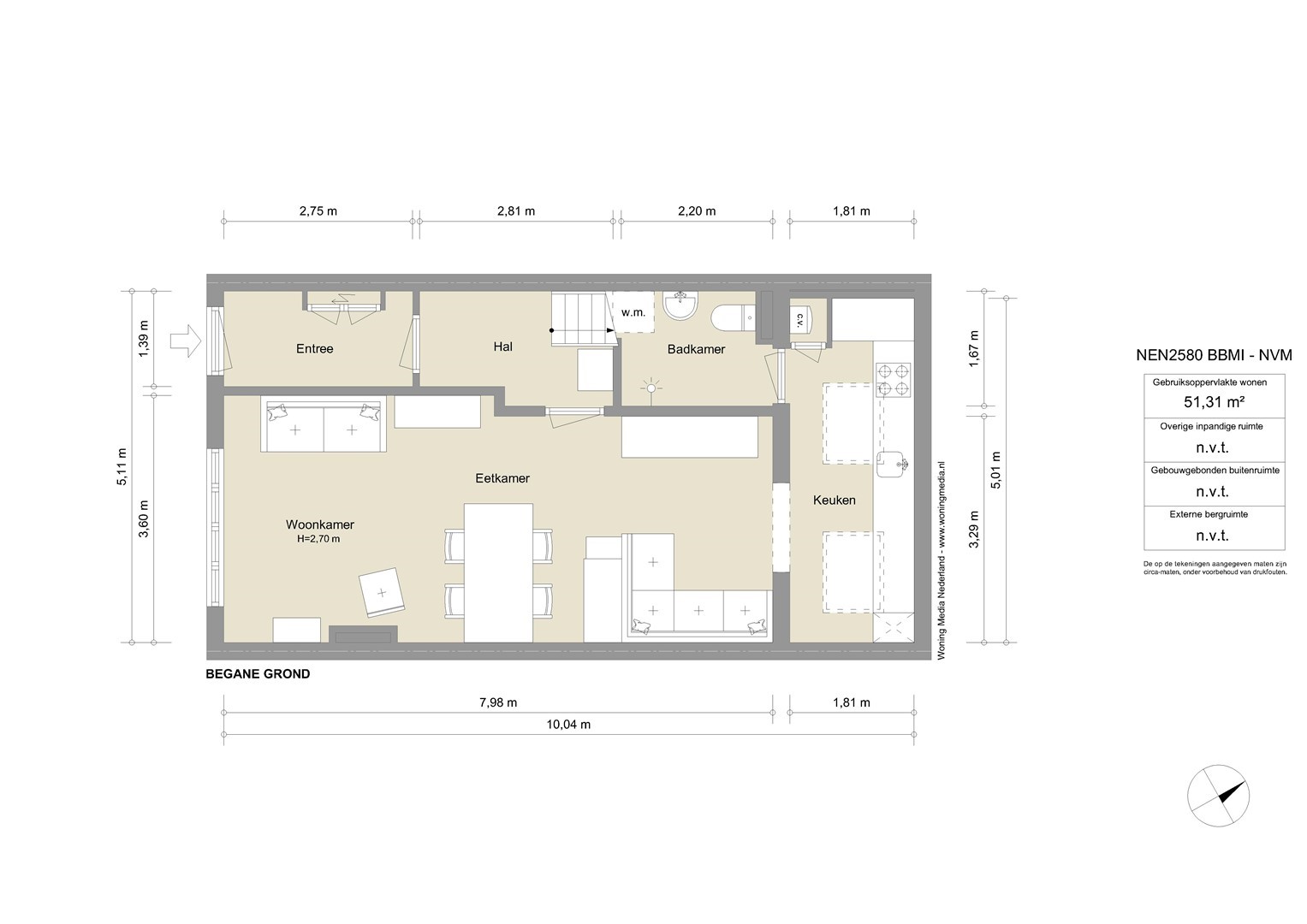
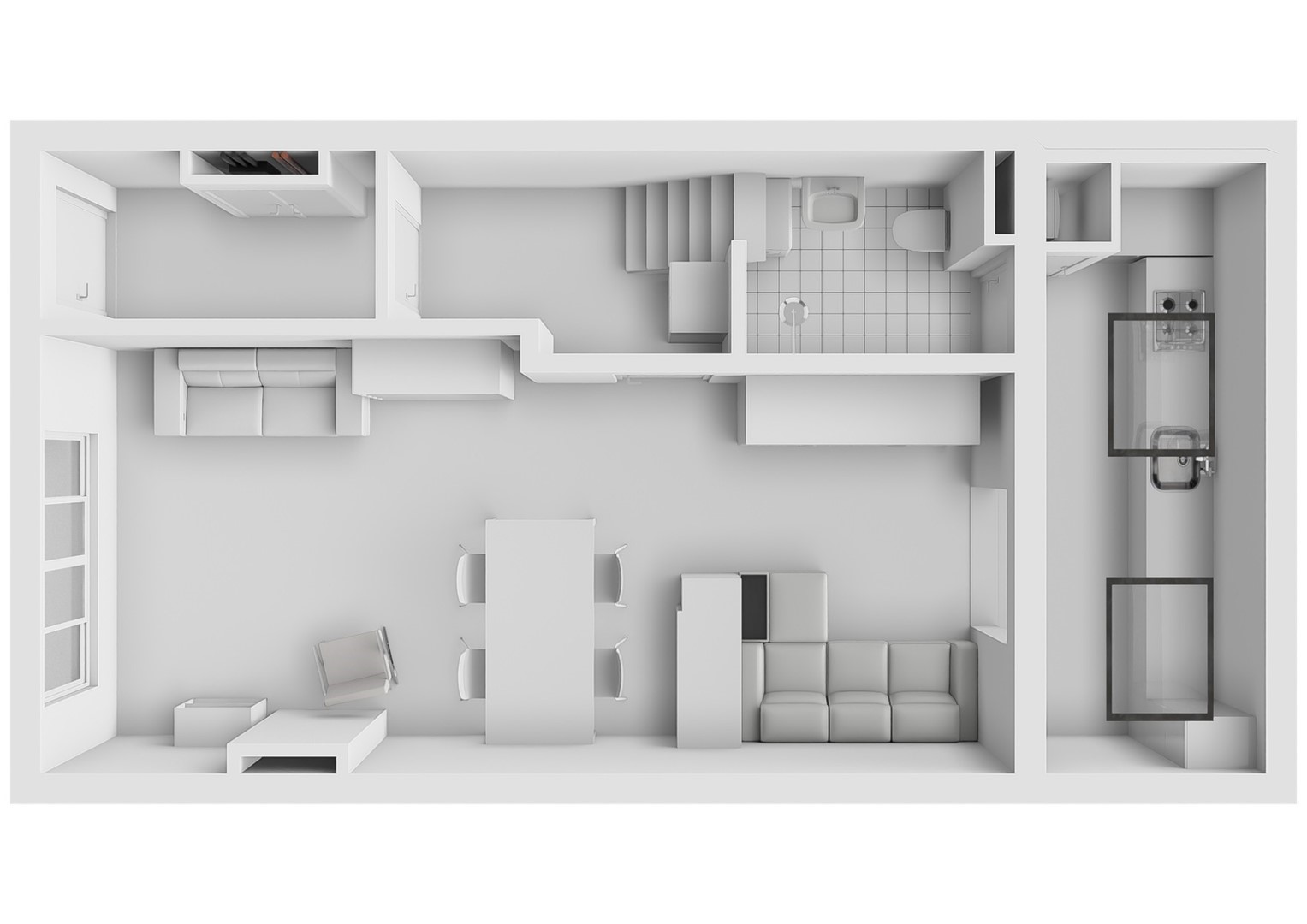
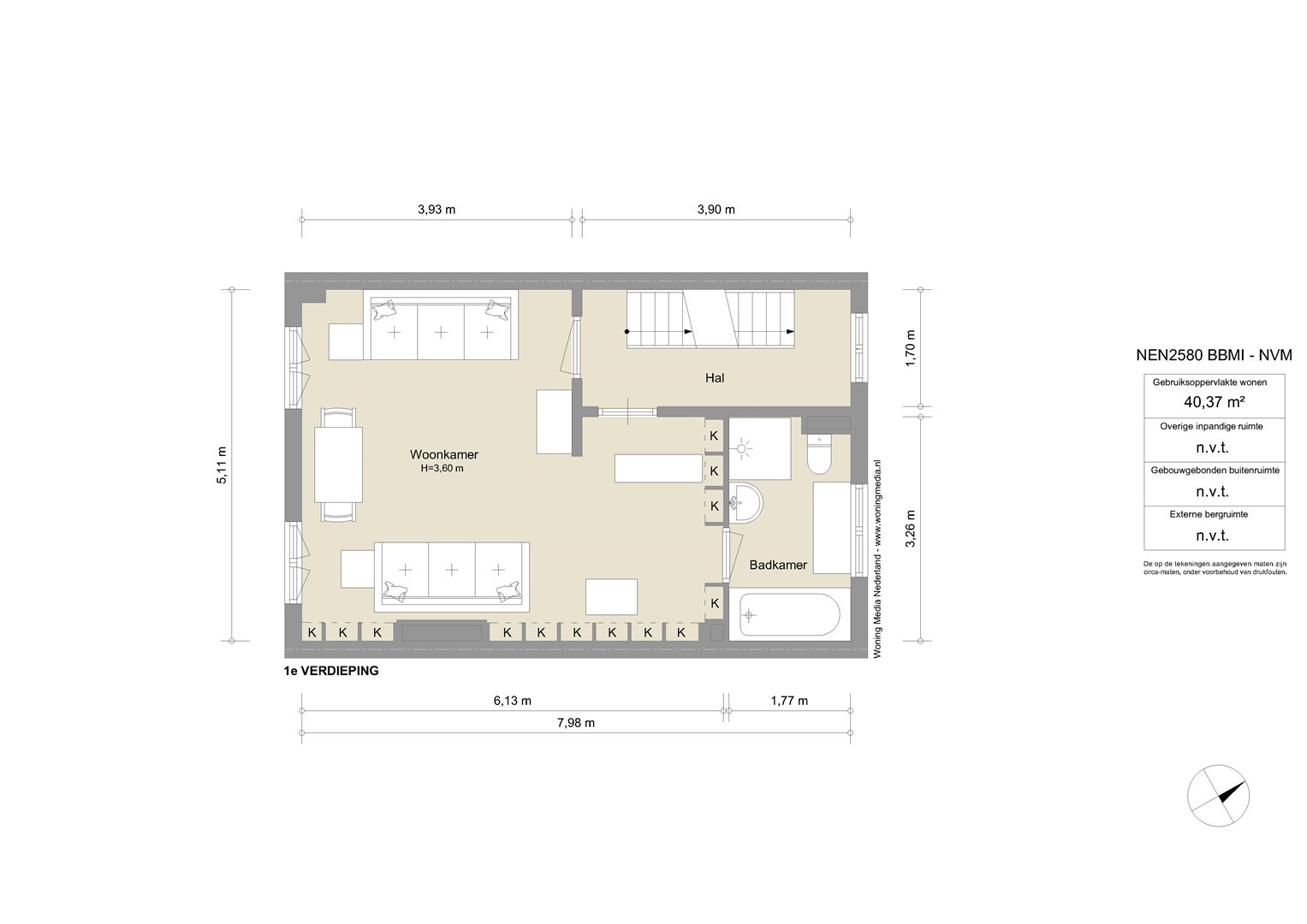
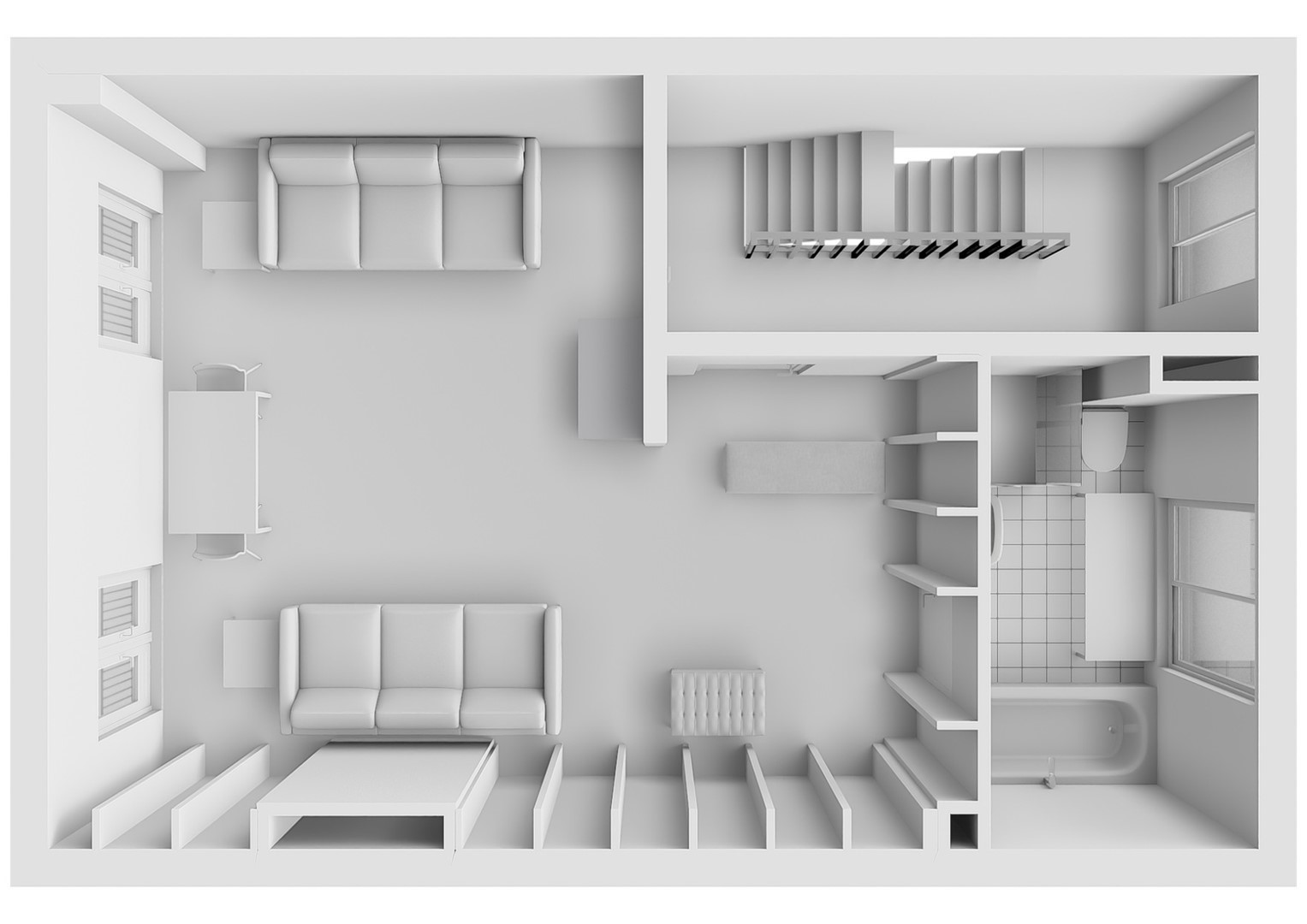
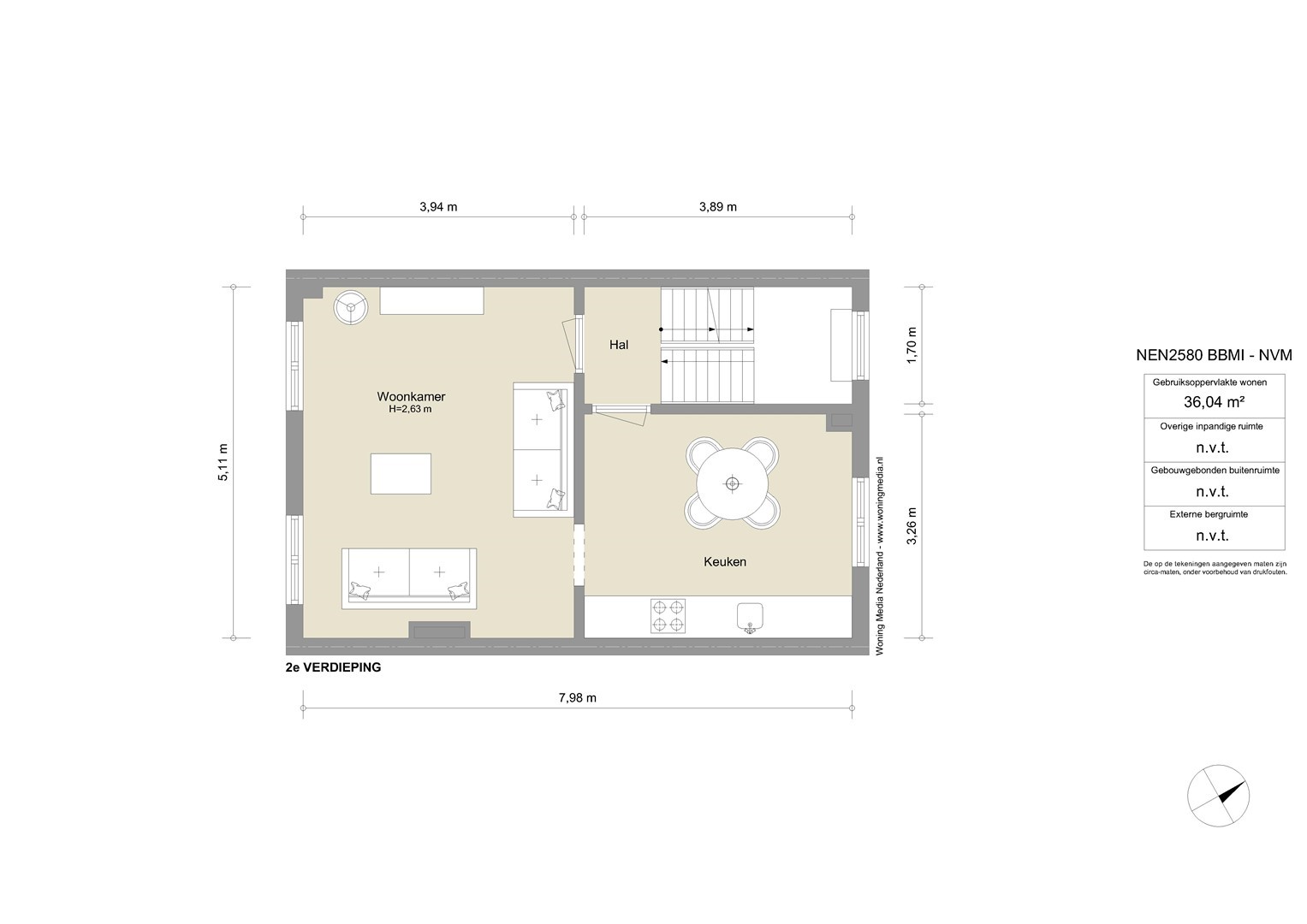
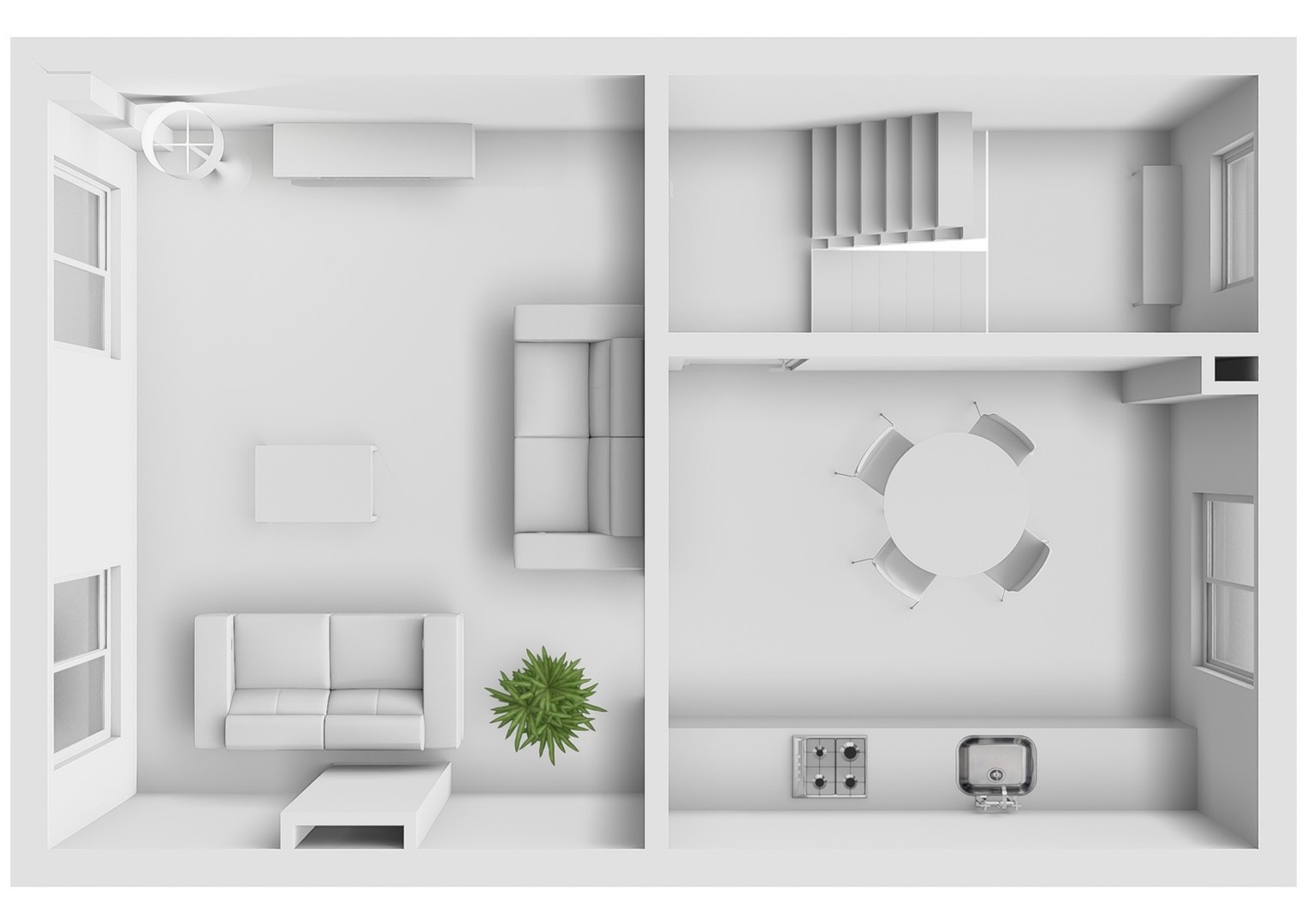
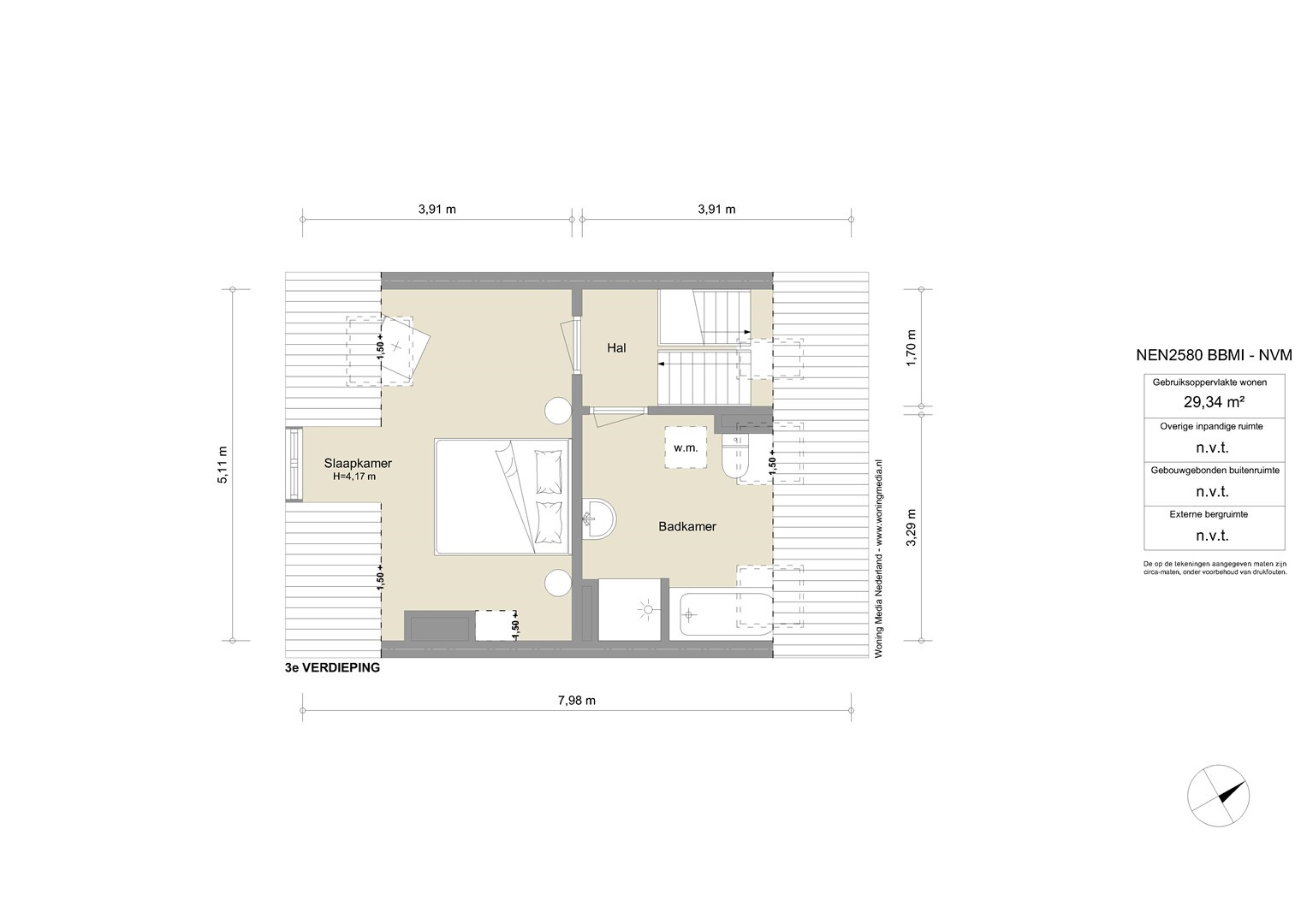
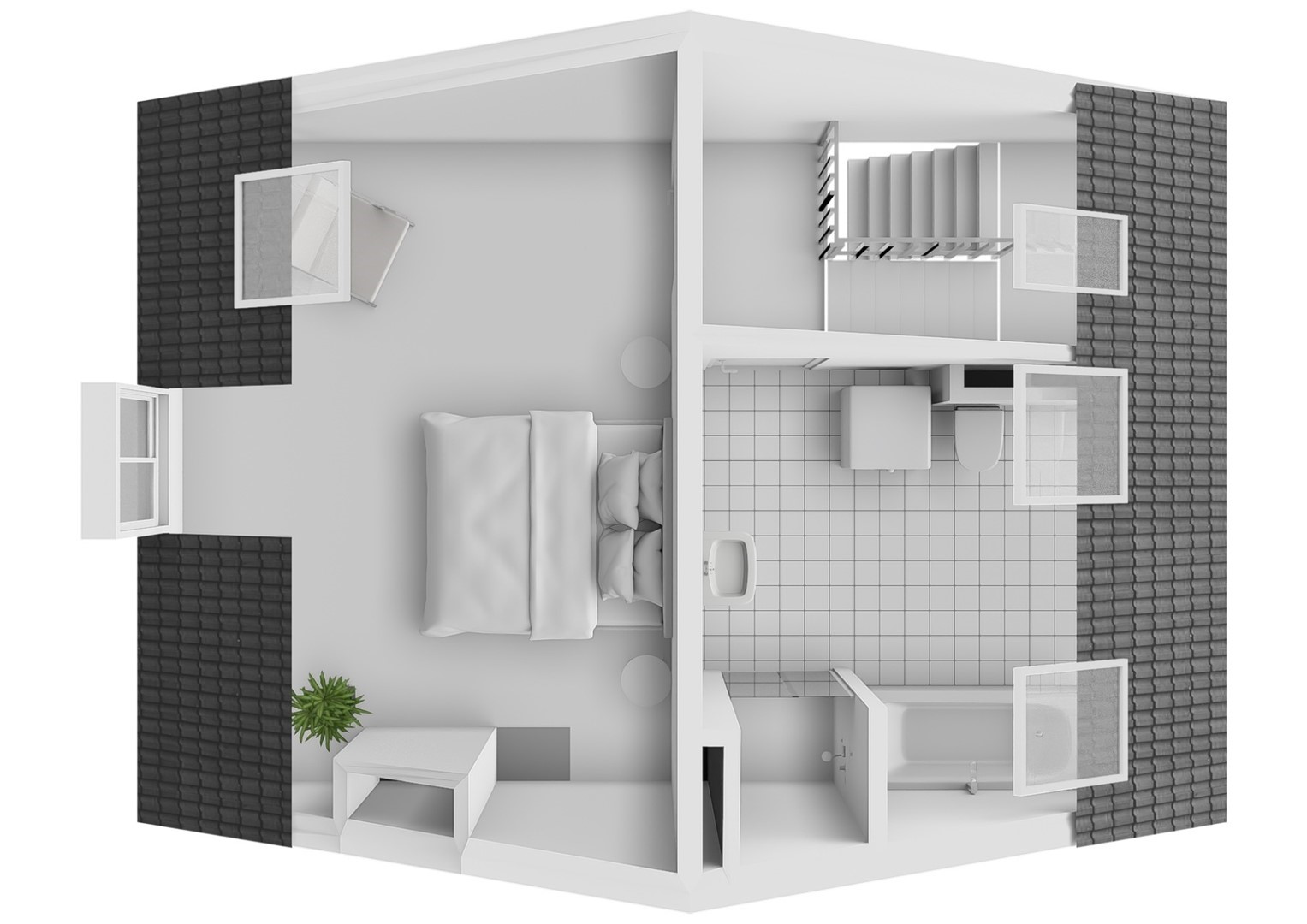
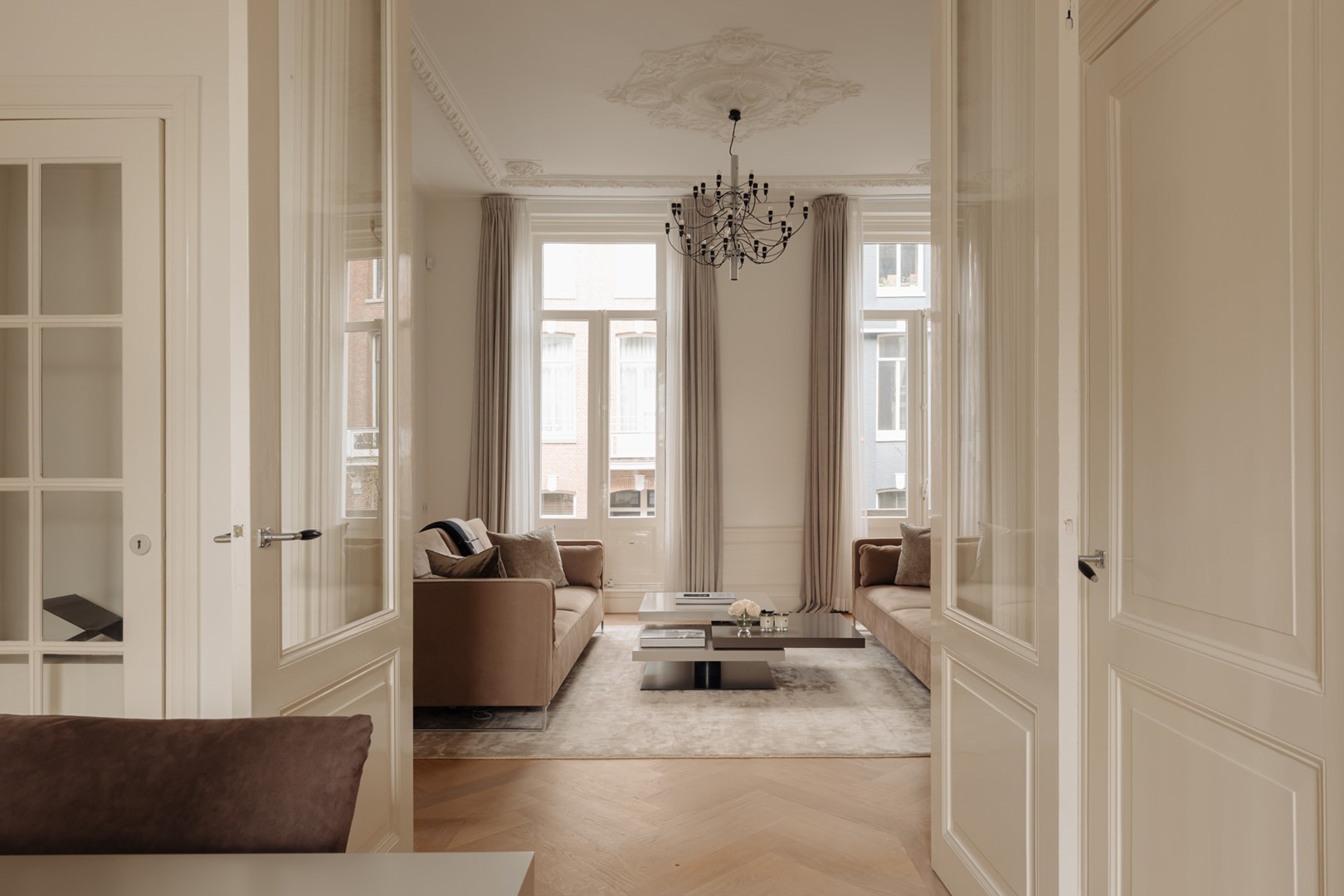
De begane grond is thans ingedeeld met een woonkamer aan de voorzijde, een eetkamer centraal en een keuken met badkamer aan de achterzijde. De plafondhoogte bedraagt circa 2,70 meter. De routing loopt logisch van entree via hal en eetkamer naar de keuken. Deze verdieping is op het moment verhuurd, maar wordt leeg opgeleverd. Op de eerste verdieping is de woonkamer aan de voorzijde, met een plafondhoogte van circa 3,60 meter. Twee hoge openslaande ramen bieden zicht op het J. W. van Overloopplantsoen en het water van de Nieuwe Keizersgracht. De smeedijzeren balkonhekken zijn van binnenuit zichtbaar. Aan de achterzijde zorgen vloerhoge boekenkasten en een gemetselde schoorsteenwand voor karakter. De tweede verdieping combineert wonen en koken. De keuken is uitgevoerd met witte kasten, een houten werkblad en een tegelwand. Aan de voorzijde openen deuren met ramen met zicht op het plantsoen; aan de achterzijde valt licht binnen via openslaande ramen. De vloer loopt door over de gehele verdieping. De derde verdieping is ingericht als slaapkamer met een nokhoogte van circa 4,17 meter. Dakkapel en daklicht zorgen voor licht van twee zijden en zicht op het groen. Op deze verdieping bevindt zich ook de hoofdbadkamer, voorzien van bad, douche en wastafel. Daarnaast is er een tweede badkamer op de eerste verdieping.
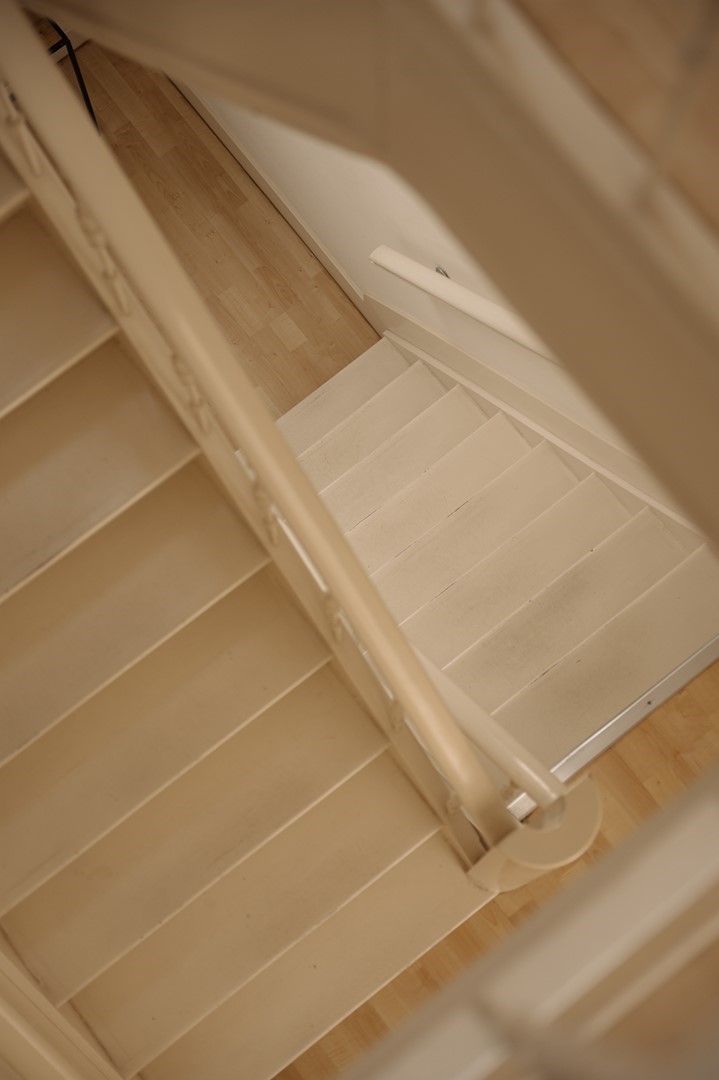
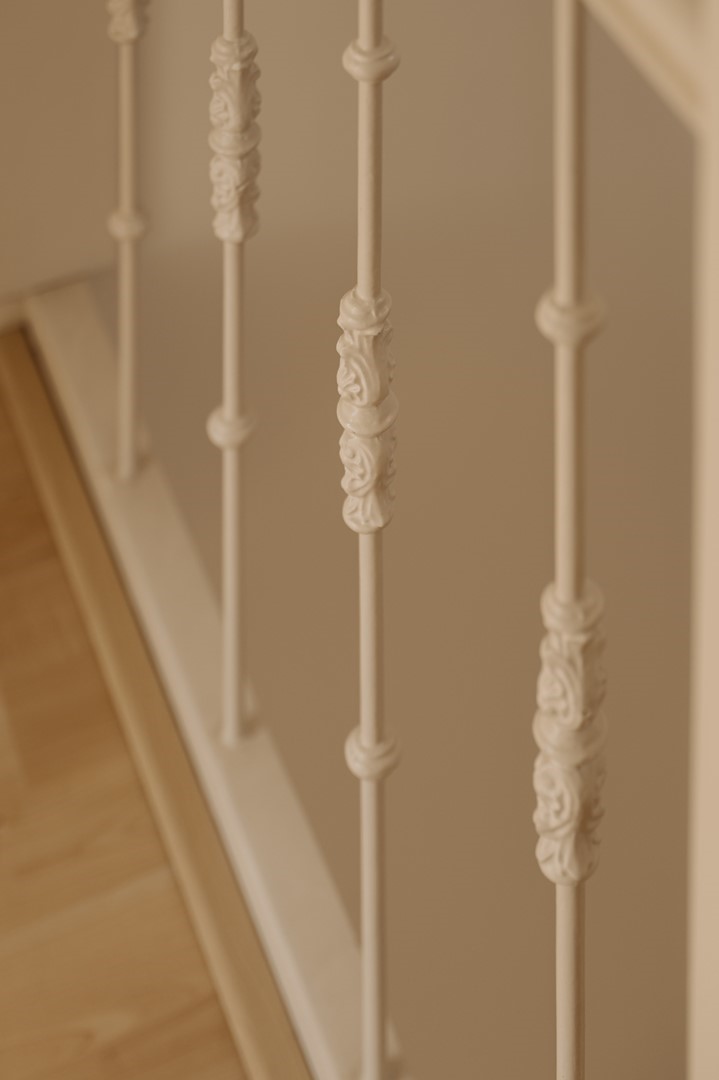
Het trappenhuis loopt door het gehele pand en bevindt zich aan de achterzijde, met een originele houten trap en geornamenteerde spijlen.
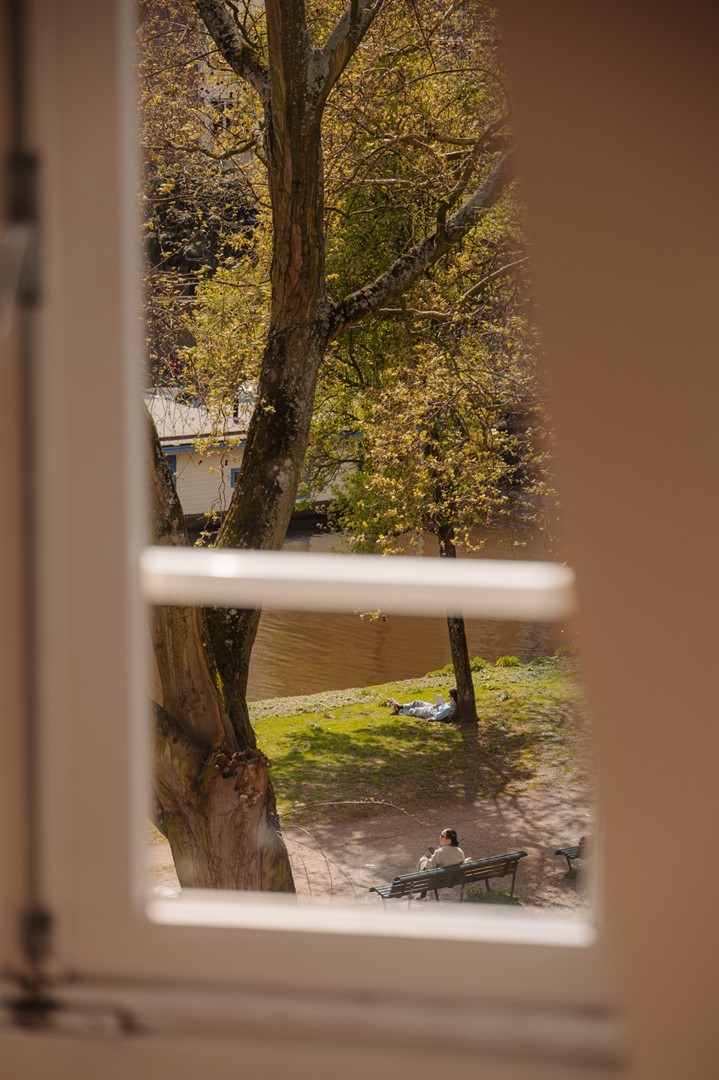
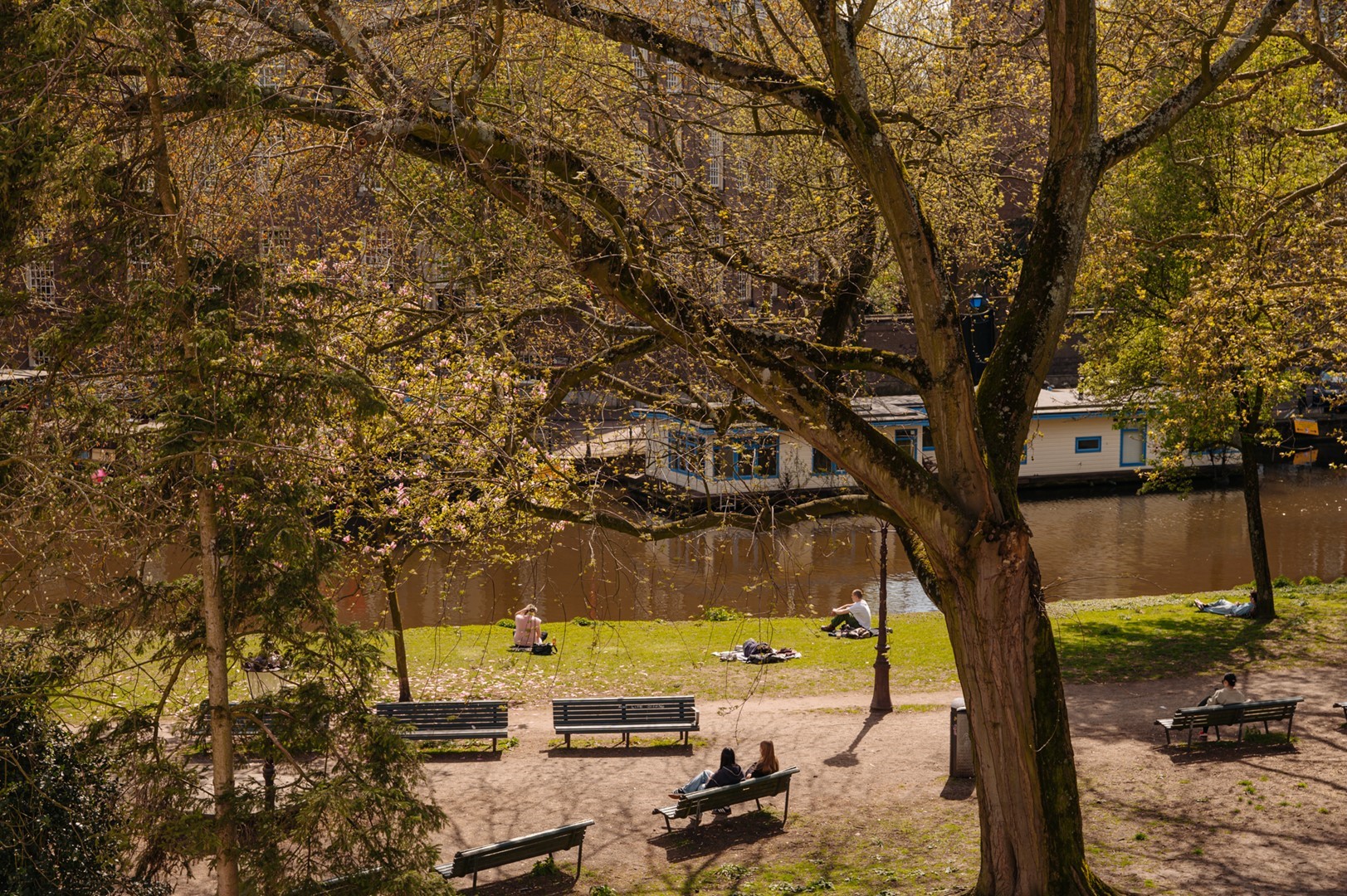
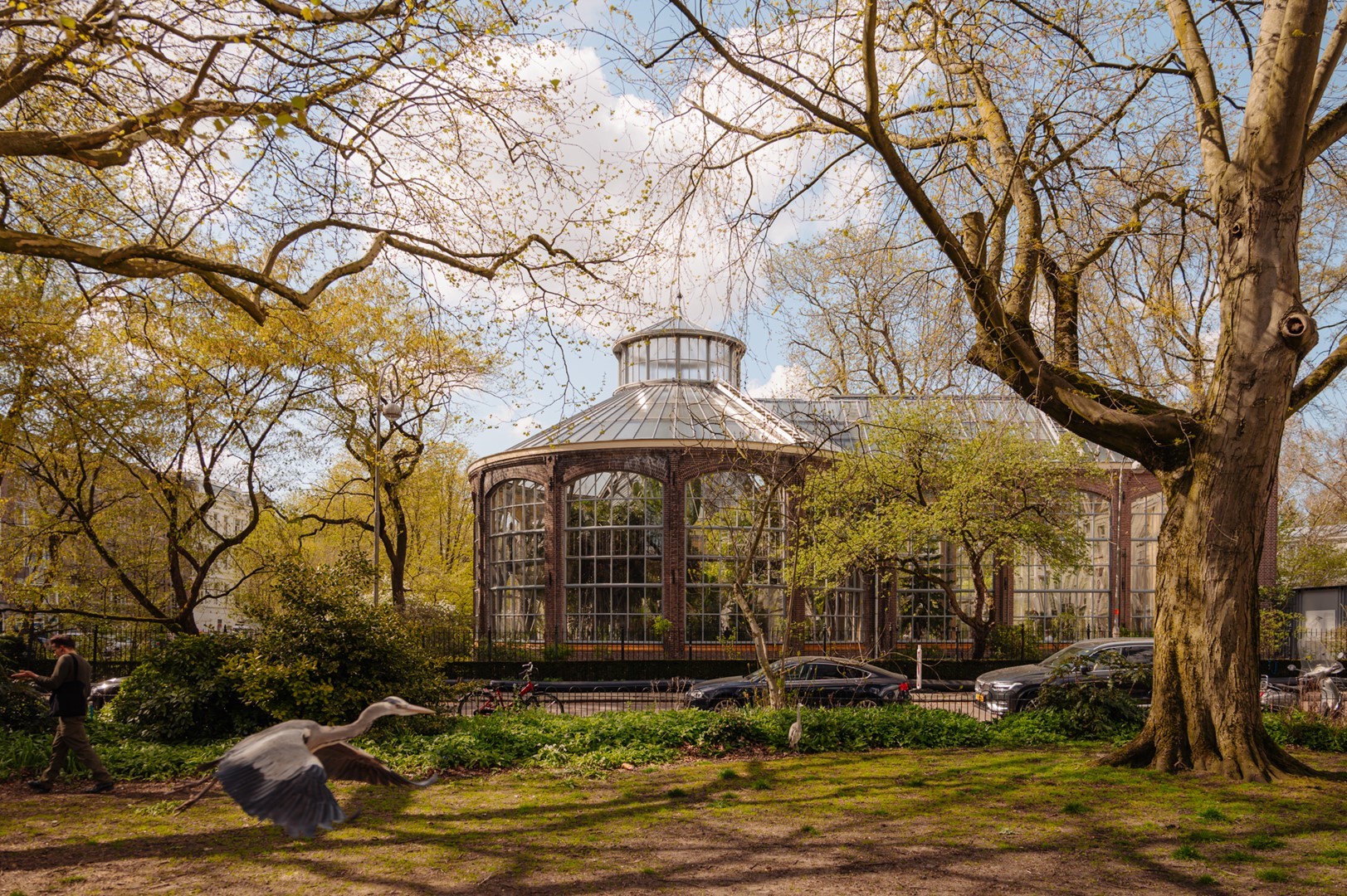
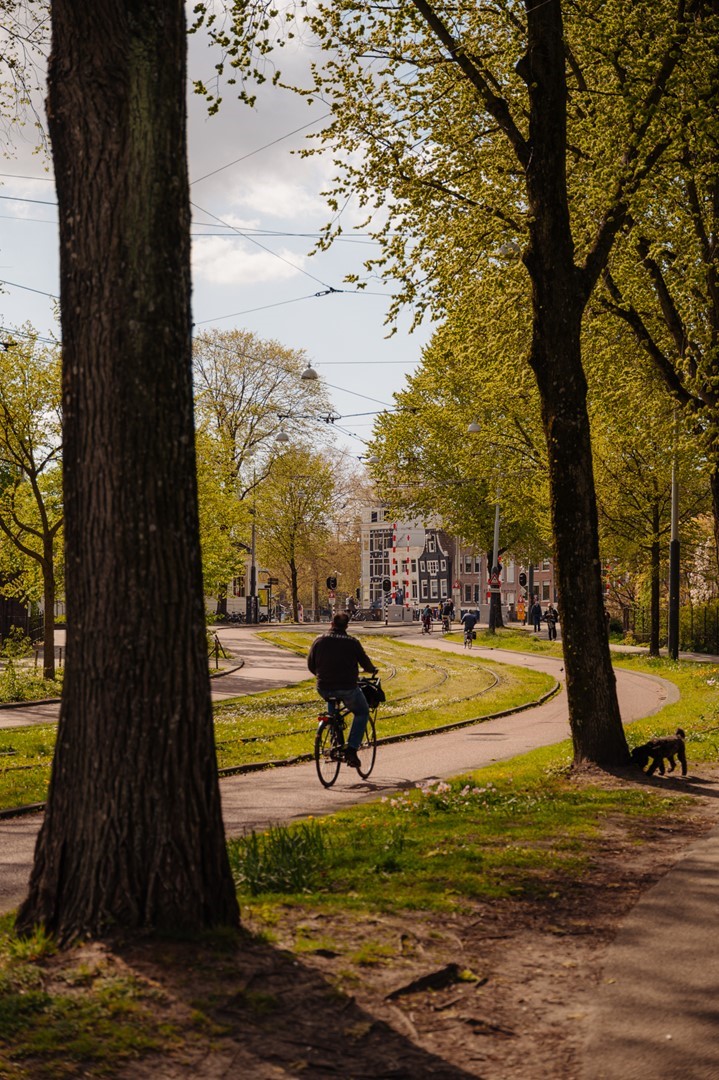
Het pand heeft geen eigen buitenruimte, maar ligt direct aan het J. W. van Overloopplantsoen. De voorgevel is gericht op het zuidwesten, waardoor in de middag en avond de zon op de gevel en het trottoir valt. Het groen, de vijver en de rust van het plantsoen liggen letterlijk voor de deur en vormen een vanzelfsprekend verlengstuk van de woning.
Wat de bewoners gaan missen
"Het is ons familiehuis, vanaf 1961, toen onze vader het huis kocht, tot op de dag van vandaag. Mijn vader noemde de koop van het huis het meest verstandige dat hij ooit in zijn leven gedaan had en het rijtje witte huizen aan het begin van de Plantage Muidergracht, waar ons huis tussenstaat, beschreef hij als de Riviera van de Plantagebuurt. ‘Plantage Muidergracht’ is de titel van een boek dat hij in 1988 publiceerde."
Buurtgids
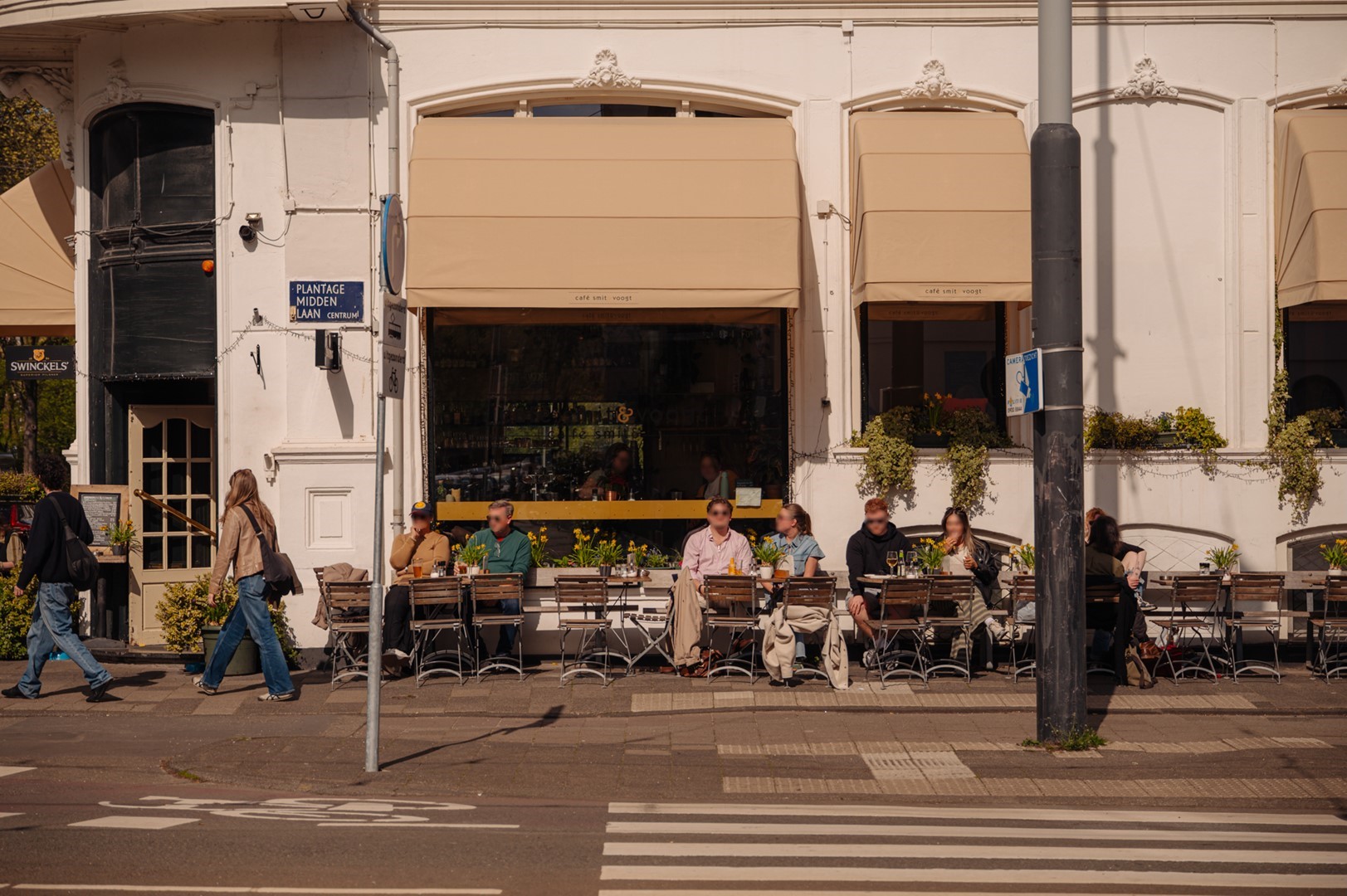
De woning ligt in de Plantagebuurt, op loopafstand van meerdere ov-verbindingen. Tramhalte Plantage Parklaan ligt op circa drie minuten lopen. Tram 14 rijdt van hier naar het Centraal Station en via de binnenstad verder. Metrostation Waterlooplein is op circa acht minuten lopen bereikbaar. Vanaf daar rijden metro's 51, 53 en 54 naar onder meer Centraal Station en Amsterdam-Zuid. Per fiets is het centrum in vijf tot tien minuten bereikbaar. Station Amsterdam Centraal ligt op circa vijftien minuten fietsen. De ligging aan de rand van de binnenstad maakt de Plantagebuurt goed bereikbaar vanuit vrijwel alle stadsdelen.
Per auto is de woning via de Sarphatistraat en de Weesperstraat bereikbaar. De Plantagebuurt valt in een betaald parkeergebied. Parkeren op straat kost circa € 6,50 per uur, zeven dagen per week. De geschatte wachttijd voor een bewonersvergunning bedraagt op dit moment acht maanden. Wie een elektrische auto heeft, kan in aanmerking komen voor voorrang via de milieuparkeervergunning, mits aan de daarvoor geldende voorwaarden wordt voldaan. Parkeergarage Oostpoort aan de Linnaeusstraat ligt op circa tien minuten lopen en biedt een alternatief voor langparkeren.
Bij de presentatie van deze woning op onze website, hebben we de leukste hotspots in de buurt verzameld.
Bijzonderheden
• Gebruiksoppervlakte wonen circa 157 m²
• Gelegen op eigen grond
• In 2006 is een partieel funderingsherstel uitgevoerd
• Gemeentelijk monument
• Rijksbeschermd stadsgezicht
• In de koopakte zal een kettingbeding worden opgenomen ten behoeve van het behoud en onderhoud van de plaquette van Adriaan Morriën
• Verkopers hebben het woonhuis de laatste jaren niet zelf bewoond
Deze informatie is door ons met de nodige zorgvuldigheid samengesteld. Onzerzijds wordt echter geen enkele aansprakelijkheid aanvaard voor enige onvolledigheid, onjuistheid of anderszins, dan wel de gevolgen daarvan. Alle opgegeven maten en oppervlakten zijn slechts indicatief.
De BBMI-meetinstructie is gebaseerd op de NEN 2580. De meetinstructie is bedoeld om een meer eenduidige manier van meten toe te passen voor het geven van een indicatie van de gebruiksoppervlakte. De Meetinstructie sluit verschillen in meetuitkomsten niet volledig uit, door bijvoorbeeld interpretatieverschillen, afrondingen of beperkingen bij het uitvoeren van de meting.
--------------------
MORRIËN | Townhouse of approximately 157 m², located in the Plantage neighbourhood. Originally built as three separate homes, later combined into two, and now forming one complete townhouse, this property is a listed municipal monument. The façade bears a plaque commemorating Adriaan Morriën, the poet and essayist who lived and worked here for many decades.
The full living experience can be explored on our website or by downloading our magazine. You can also easily schedule a viewing via our website.
Tour
The ground floor is currently arranged with a living room at the front, a centrally positioned dining room, and a kitchen with bathroom at the rear. The ceiling height on this level is approximately 2.70 metres. The layout follows a logical route from the entrance through the hallway and dining room to the kitchen. This floor is currently rented out, but will be delivered vacant. On the first floor, the living room is located at the front, with a ceiling height of approximately 3.60 metres. Two tall French windows offer views over the J. W. van Overloopplantsoen and the water of the Nieuwe Keizersgracht. The wrought-iron balcony railings are visible from inside. At the rear, floor-to-ceiling bookcases and a brick chimney breast add character. The second floor combines living and cooking. The kitchen is fitted with white cabinetry, a wooden worktop, and a tiled backsplash. At the front, glazed doors open to views of the planted square, while at the rear, natural light enters through French windows. The floor continues throughout the entire level.
The third floor is arranged as a bedroom with a ridge height of approximately 4.17 metres. A dormer window and skylight bring in light from two sides and offer views of the greenery. This floor also contains the principal bathroom, fitted with a bath, shower, and washbasin. In addition, there is a second bathroom on the first floor.
The staircase runs through the entire house and is positioned at the rear, featuring an original wooden staircase with decorative balusters.
The property does not have its own outdoor space, but it is situated directly opposite the J. W. van Overloopplantsoen. The front façade faces southwest, allowing the afternoon and evening sun to fall onto the façade and pavement. The greenery, pond, and tranquillity of the planted square are literally on the doorstep and form a natural extension of the home.
What the current owners will miss
"It has been our family home since 1961, when my father bought the house, right up to the present day. My father called buying the house the wisest thing he had ever done in his life, and described the row of white houses at the beginning of Plantage Muidergracht, of which our house is one, as the Riviera of the Plantage neighbourhood. ‘Plantage Muidergracht’ is also the title of a book he published in 1988."
Neighbourhood
The property is located in the Plantage neighbourhood, within walking distance of several public transport connections. The Plantage Parklaan tram stop is approximately a three-minute walk away. From here, tram 14 runs to Central Station and further through the city centre. Waterlooplein metro station can be reached in around eight minutes on foot. From there, metro lines 51, 53, and 54 run to destinations including Central Station and Amsterdam Zuid. By bicycle, the city centre can be reached in five to ten minutes. Amsterdam Central Station is approximately a fifteen-minute bike ride away. Thanks to its position on the edge of the city centre, the Plantage neighbourhood is easily accessible from almost every part of the city.
By car, the house can be reached via Sarphatistraat and Weesperstraat. The Plantage neighbourhood falls within a paid parking zone. Street parking costs approximately €6.50 per hour, seven days a week. The estimated waiting time for a residential parking permit is currently around eight months. Those with an electric car may qualify for priority through the environmental parking permit, provided the applicable conditions are met. Oostpoort car park on Linnaeusstraat is about a ten-minute walk away and offers an alternative for long-term parking.
On our website, we have also highlighted the best local hotspots in the area.
Key features
• Living area of approximately 157 m²
• Situated on freehold land
• Partial foundation restoration carried out in 2006
• Listed municipal monument
• Located within a nationally protected cityscape
• The purchase agreement will include a covenant relating to the preservation and maintenance of the Adriaan Morriën plaque
• The sellers have not occupied the house themselves in recent years
This information has been compiled with due care. However, we accept no liability for any inaccuracies, omissions, or consequences thereof. All stated measurements and surface areas are indicative only.
The BBMI measurement instructions are based on the NEN 2580 standard and are intended to provide a more consistent method for indicating usable floor space. However, differences in measurement outcomes may still occur due to interpretation differences, rounding, or limitations during measurement.
Amsterdam
MORRIËN | Woonhuis van circa 157 m², gelegen in de Plantagebuurt. Het woonhuis was van oorsprong drie afzonderlijke woningen, later samengevoegd tot twee en nu één volledig woonhuis. Het pand is een gemeentelijk monument en draagt op de gevel een plaquette voor Adriaan Morriën, de dichter en essayist die hier decennialang woonde en werkte.
De volledige woonbeleving is te ervaren op onze website of door ons magazine te downloaden. Via onze website kun je ook eenvoudig zelf je bezichtiging inplannen. *See English translation below *
Rondleiding
De begane grond is thans ingedeeld met een woonkamer aan de voorzijde, een eetkamer centraal en een keuken met badkamer aan de achterzijde. De plafondhoogte bedraagt circa 2,70 meter. De routing loopt logisch van entree via hal en eetkamer naar de keuken. Deze verdieping is op het moment verhuurd, maar wordt leeg opgeleverd. Op de eerste verdieping is de woonkamer aan de voorzijde, met een plafondhoogte van circa 3,60 meter. Twee hoge openslaande ramen bieden zicht op het J. W. van Overloopplantsoen en het water van de Nieuwe Keizersgracht. De smeedijzeren balkonhekken zijn van binnenuit zichtbaar. Aan de achterzijde zorgen vloerhoge boekenkasten en een gemetselde schoorsteenwand voor karakter. De tweede verdieping combineert wonen en koken. De keuken is uitgevoerd met witte kasten, een houten werkblad en een tegelwand. Aan de voorzijde openen deuren met ramen met zicht op het plantsoen; aan de achterzijde valt licht binnen via openslaande ramen. De vloer loopt door over de gehele verdieping. De derde verdieping is ingericht als slaapkamer met een nokhoogte van circa 4,17 meter. Dakkapel en daklicht zorgen voor licht van twee zijden en zicht op het groen. Op deze verdieping bevindt zich ook de hoofdbadkamer, voorzien van bad, douche en wastafel. Daarnaast is er een tweede badkamer op de eerste verdieping.
Het trappenhuis loopt door het gehele pand en bevindt zich aan de achterzijde, met een originele houten trap en geornamenteerde spijlen.
Het pand heeft geen eigen buitenruimte, maar ligt direct aan het J. W. van Overloopplantsoen. De voorgevel is gericht op het zuidwesten, waardoor in de middag en avond de zon op de gevel en het trottoir valt. Het groen, de vijver en de rust van het plantsoen liggen letterlijk voor de deur en vormen een vanzelfsprekend verlengstuk van de woning.
Wat de bewoners gaan missen
"Het is ons familiehuis, vanaf 1961, toen onze vader het huis kocht, tot op de dag van vandaag. Mijn vader noemde de koop van het huis het meest verstandige dat hij ooit in zijn leven gedaan had en het rijtje witte huizen aan het begin van de Plantage Muidergracht, waar ons huis tussenstaat, beschreef hij als de Riviera van de Plantagebuurt. ‘Plantage Muidergracht’ is de titel van een boek dat hij in 1988 publiceerde."
Buurtgids
De woning ligt in de Plantagebuurt, op loopafstand van meerdere ov-verbindingen. Tramhalte Plantage Parklaan ligt op circa drie minuten lopen. Tram 14 rijdt van hier naar het Centraal Station en via de binnenstad verder. Metrostation Waterlooplein is op circa acht minuten lopen bereikbaar. Vanaf daar rijden metro's 51, 53 en 54 naar onder meer Centraal Station en Amsterdam-Zuid. Per fiets is het centrum in vijf tot tien minuten bereikbaar. Station Amsterdam Centraal ligt op circa vijftien minuten fietsen. De ligging aan de rand van de binnenstad maakt de Plantagebuurt goed bereikbaar vanuit vrijwel alle stadsdelen.
Per auto is de woning via de Sarphatistraat en de Weesperstraat bereikbaar. De Plantagebuurt valt in een betaald parkeergebied. Parkeren op straat kost circa € 6,50 per uur, zeven dagen per week. De geschatte wachttijd voor een bewonersvergunning bedraagt op dit moment acht maanden. Wie een elektrische auto heeft, kan in aanmerking komen voor voorrang via de milieuparkeervergunning, mits aan de daarvoor geldende voorwaarden wordt voldaan. Parkeergarage Oostpoort aan de Linnaeusstraat ligt op circa tien minuten lopen en biedt een alternatief voor langparkeren.
Bij de presentatie van deze woning op onze website, hebben we de leukste hotspots in de buurt verzameld.
Bijzonderheden
• Gebruiksoppervlakte wonen circa 157 m²
• Gelegen op eigen grond
• In 2006 is een partieel funderingsherstel uitgevoerd
• Gemeentelijk monument
• Rijksbeschermd stadsgezicht
• In de koopakte zal een kettingbeding worden opgenomen ten behoeve van het behoud en onderhoud van de plaquette van Adriaan Morriën
• Verkopers hebben het woonhuis de laatste jaren niet zelf bewoond
Deze informatie is door ons met de nodige zorgvuldigheid samengesteld. Onzerzijds wordt echter geen enkele aansprakelijkheid aanvaard voor enige onvolledigheid, onjuistheid of anderszins, dan wel de gevolgen daarvan. Alle opgegeven maten en oppervlakten zijn slechts indicatief.
De BBMI-meetinstructie is gebaseerd op de NEN 2580. De meetinstructie is bedoeld om een meer eenduidige manier van meten toe te passen voor het geven van een indicatie van de gebruiksoppervlakte. De Meetinstructie sluit verschillen in meetuitkomsten niet volledig uit, door bijvoorbeeld interpretatieverschillen, afrondingen of beperkingen bij het uitvoeren van de meting.
--------------------
MORRIËN | Townhouse of approximately 157 m², located in the Plantage neighbourhood. Originally built as three separate homes, later combined into two, and now forming one complete townhouse, this property is a listed municipal monument. The façade bears a plaque commemorating Adriaan Morriën, the poet and essayist who lived and worked here for many decades.
The full living experience can be explored on our website or by downloading our magazine. You can also easily schedule a viewing via our website.
Tour
The ground floor is currently arranged with a living room at the front, a centrally positioned dining room, and a kitchen with bathroom at the rear. The ceiling height on this level is approximately 2.70 metres. The layout follows a logical route from the entrance through the hallway and dining room to the kitchen. This floor is currently rented out, but will be delivered vacant. On the first floor, the living room is located at the front, with a ceiling height of approximately 3.60 metres. Two tall French windows offer views over the J. W. van Overloopplantsoen and the water of the Nieuwe Keizersgracht. The wrought-iron balcony railings are visible from inside. At the rear, floor-to-ceiling bookcases and a brick chimney breast add character. The second floor combines living and cooking. The kitchen is fitted with white cabinetry, a wooden worktop, and a tiled backsplash. At the front, glazed doors open to views of the planted square, while at the rear, natural light enters through French windows. The floor continues throughout the entire level.
The third floor is arranged as a bedroom with a ridge height of approximately 4.17 metres. A dormer window and skylight bring in light from two sides and offer views of the greenery. This floor also contains the principal bathroom, fitted with a bath, shower, and washbasin. In addition, there is a second bathroom on the first floor.
The staircase runs through the entire house and is positioned at the rear, featuring an original wooden staircase with decorative balusters.
The property does not have its own outdoor space, but it is situated directly opposite the J. W. van Overloopplantsoen. The front façade faces southwest, allowing the afternoon and evening sun to fall onto the façade and pavement. The greenery, pond, and tranquillity of the planted square are literally on the doorstep and form a natural extension of the home.
What the current owners will miss
"It has been our family home since 1961, when my father bought the house, right up to the present day. My father called buying the house the wisest thing he had ever done in his life, and described the row of white houses at the beginning of Plantage Muidergracht, of which our house is one, as the Riviera of the Plantage neighbourhood. ‘Plantage Muidergracht’ is also the title of a book he published in 1988."
Neighbourhood
The property is located in the Plantage neighbourhood, within walking distance of several public transport connections. The Plantage Parklaan tram stop is approximately a three-minute walk away. From here, tram 14 runs to Central Station and further through the city centre. Waterlooplein metro station can be reached in around eight minutes on foot. From there, metro lines 51, 53, and 54 run to destinations including Central Station and Amsterdam Zuid. By bicycle, the city centre can be reached in five to ten minutes. Amsterdam Central Station is approximately a fifteen-minute bike ride away. Thanks to its position on the edge of the city centre, the Plantage neighbourhood is easily accessible from almost every part of the city.
By car, the house can be reached via Sarphatistraat and Weesperstraat. The Plantage neighbourhood falls within a paid parking zone. Street parking costs approximately €6.50 per hour, seven days a week. The estimated waiting time for a residential parking permit is currently around eight months. Those with an electric car may qualify for priority through the environmental parking permit, provided the applicable conditions are met. Oostpoort car park on Linnaeusstraat is about a ten-minute walk away and offers an alternative for long-term parking.
On our website, we have also highlighted the best local hotspots in the area.
Key features
• Living area of approximately 157 m²
• Situated on freehold land
• Partial foundation restoration carried out in 2006
• Listed municipal monument
• Located within a nationally protected cityscape
• The purchase agreement will include a covenant relating to the preservation and maintenance of the Adriaan Morriën plaque
• The sellers have not occupied the house themselves in recent years
This information has been compiled with due care. However, we accept no liability for any inaccuracies, omissions, or consequences thereof. All stated measurements and surface areas are indicative only.
The BBMI measurement instructions are based on the NEN 2580 standard and are intended to provide a more consistent method for indicating usable floor space. However, differences in measurement outcomes may still occur due to interpretation differences, rounding, or limitations during measurement.
Overdracht
Type
Te koop
Vraagprijs
€ 1.520.000 k. k.
Koopconditie
k. k.
Aangeboden sinds
6 mei 2026
Bouw
Soort object
Woonhuis
Bouwperiode
E
Inhoud
Woonoppervlakte
157 m²
Inhoud
720 m³
Perceeloppervlakte
53 m²
Indeling
Aantal kamers
4
Aantal slaapkamers
3
Aantal badkamers
3
Contact


Bedrijfsnaam
Broersma Werken en Wonen
Adres
Koningslaan 14
1075 AC AMSTERDAM
Nederland
1075 AC AMSTERDAM
Nederland
Telefoon
020 305 97 77
WWW
www.broersma.nl
Woningen in de buurt
Anderen bekeken ook
Pieter Cornelisz. Hooftstraat 149
Amsterdam
€ 3.480.000 k. k.
€ 3.480.000 k. k.